
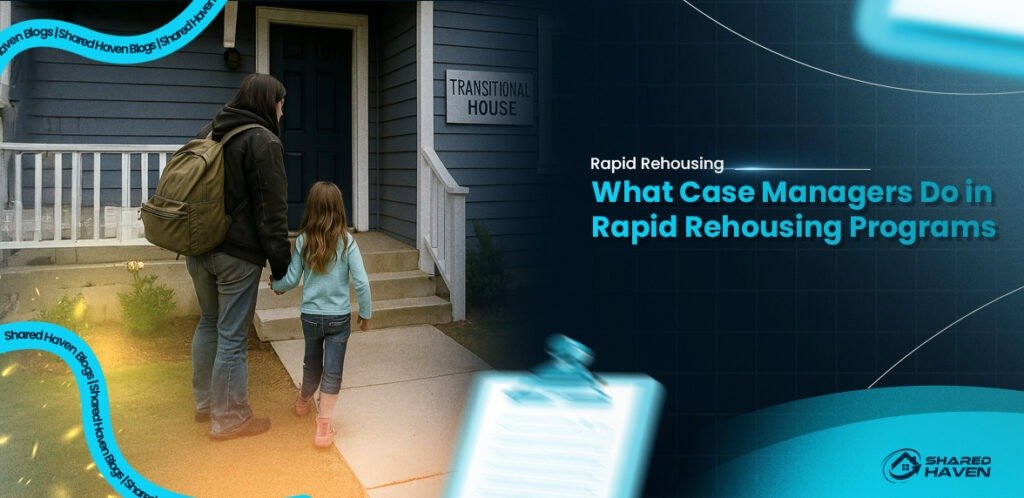
Today, housing instability affects thousands of families and individuals. Therefore, many communities rely on Rapid Rehousing programs.
Unlike emergency shelters, Rapid Rehousing focuses on helping people secure permanent housing quickly. As a result, participants can regain stability sooner.
However, housing alone does not solve every challenge. Therefore, support services remain essential throughout the process.
This is where case managers play a vital role. Consequently, participants receive guidance during each stage of their housing journey.
Moreover, case managers help people overcome barriers that threaten long-term stability. Because of this, many households achieve better outcomes.
Understanding the Purpose of Rapid Rehousing
First, Rapid Rehousing aims to move people into stable housing quickly. Therefore, it reduces the time spent experiencing homelessness.
Additionally, the program provides financial and supportive services. As a result, participants gain resources needed for success.
Unlike long-term housing programs, Rapid Rehousing focuses on immediate solutions. Consequently, households transition faster into permanent homes.
Furthermore, the approach encourages independence and self-sufficiency. Therefore, participants can build stronger futures.
Because housing stability improves many areas of life, Rapid Rehousing remains a valuable community resource.
The Core Responsibilities of Case Managers
Although financial assistance helps, guidance remains equally important. Therefore, case managers become central to the program.
Typically, case managers assess participant needs and goals. As a result, support plans become more effective.
Additionally, they identify challenges that could affect housing stability. Consequently, participants receive targeted assistance.
Meanwhile, they coordinate services from multiple organizations. Therefore, individuals gain access to broader resources.
Most importantly, case managers help participants stay focused on long-term success. Because of this, housing outcomes often improve.
How Case Managers Support Rapid Rehousing Success
Successful Rapid Rehousing programs depend on consistent support. Therefore, case managers monitor participant progress closely.
First, they help create realistic housing goals. Additionally, they identify steps needed to achieve those goals.
Next, they connect participants with housing opportunities. Consequently, families find suitable homes more efficiently.
Likewise, they assist with applications and required documentation. Therefore, barriers become easier to overcome.
Through regular communication, they encourage accountability and progress. As a result, participants remain engaged.
Rapid Rehousing and Housing Search Assistance
Finding affordable housing can be difficult. Therefore, case managers often provide housing search support.
They help participants understand local rental markets. Consequently, individuals make more informed decisions.
Additionally, they identify landlords willing to participate in programs. Therefore, housing options increase.
Meanwhile, they explain lease requirements and tenant responsibilities. As a result, participants feel more prepared.
Because housing searches can become overwhelming, guidance creates confidence and clarity.
Building Relationships with Landlords
Strong landlord relationships improve housing opportunities significantly. Therefore, case managers invest time building trust.
First, they communicate program benefits clearly. Consequently, landlords understand available support.
Additionally, they address concerns before problems develop. Therefore, partnerships become stronger.
Likewise, they serve as points of contact during tenancy. As a result, communication remains smooth.
Because trust encourages cooperation, housing placements become easier to secure.
Rapid Rehousing and Financial Assistance Coordination
Many participants need temporary financial support. Therefore, case managers coordinate available assistance carefully.
They explain eligibility requirements and program expectations. Consequently, participants understand available resources.
Additionally, they help manage rental assistance applications. Therefore, funding reaches eligible households efficiently.
Meanwhile, they monitor progress toward financial independence. As a result, participants prepare for future stability.
Because financial planning matters, support extends beyond immediate housing needs.
Helping Participants Develop Life Skills
Housing stability requires more than a signed lease. Therefore, case managers often teach practical life skills.
For example, budgeting helps households manage expenses effectively. Consequently, financial stress decreases.
Additionally, employment support strengthens long-term independence. Therefore, participants improve earning potential.
Likewise, time management encourages personal responsibility. As a result, daily routines become more productive.
Through skill development, participants gain confidence and self-sufficiency.
The Importance of Communication in Rapid Rehousing
Clear communication remains essential throughout every program stage. Therefore, case managers maintain regular contact.
They discuss goals, challenges, and progress frequently. Consequently, problems receive attention quickly.
Additionally, they coordinate information between landlords and service providers. Therefore, misunderstandings become less common.
Meanwhile, participants receive updates regarding resources and opportunities. As a result, they stay informed.
Because communication supports accountability, outcomes often improve significantly.
Rapid Rehousing and Problem Solving
Challenges often arise during housing transitions. Therefore, case managers act as problem solvers.
They identify risks before situations worsen. Consequently, participants receive help quickly.
Additionally, they develop practical solutions to common obstacles. Therefore, housing stability remains a priority.
Likewise, they connect individuals with specialized services when necessary. As a result, participants receive comprehensive support.
Through proactive planning, many challenges become manageable.
Why Organization Matters
Successful programs require strong organization. Therefore, case managers maintain detailed records and plans.
They track appointments, goals, and important deadlines. Consequently, services remain coordinated.
Additionally, they document participant progress carefully. Therefore, support strategies stay effective.
This organizational role resembles the work of a transaction coordinator. As a result, both positions support successful outcomes.
The Similarities Between Case Managers and Transaction Coordinators
Although they work in different industries, both roles require organization. Therefore, comparisons are useful.
A transaction coordinator manages documents, timelines, and communication. Likewise, case managers coordinate resources and services.
Additionally, both professionals reduce confusion and delays. Consequently, processes become more efficient.
Meanwhile, they ensure important details receive proper attention. Therefore, outcomes improve consistently.
Because structure supports success, both roles remain highly valuable.
Rapid Rehousing and Long-Term Stability
Ultimately, Rapid Rehousing focuses on more than immediate housing. Therefore, long-term stability becomes the primary goal.
Case managers help participants build sustainable plans. Consequently, households prepare for future challenges.
Additionally, they encourage self-sufficiency and resilience. Therefore, individuals gain greater independence.
Meanwhile, supportive services strengthen housing retention rates. As a result, participants experience lasting benefits.
Through consistent guidance, stability becomes more achievable.
Final Thoughts
Today, Rapid Rehousing programs help thousands of people regain stability. Therefore, effective support remains essential.
Case managers play a central role throughout the process. Consequently, participants receive guidance, resources, and encouragement.
Additionally, they coordinate services and solve problems proactively. Therefore, housing outcomes improve significantly.
Much like a transaction coordinator, they keep important processes organized. As a result, individuals move forward with greater confidence.
Ultimately, Rapid Rehousing succeeds because dedicated professionals help participants create stable and independent futures.
National Hot Line for Homelessness