
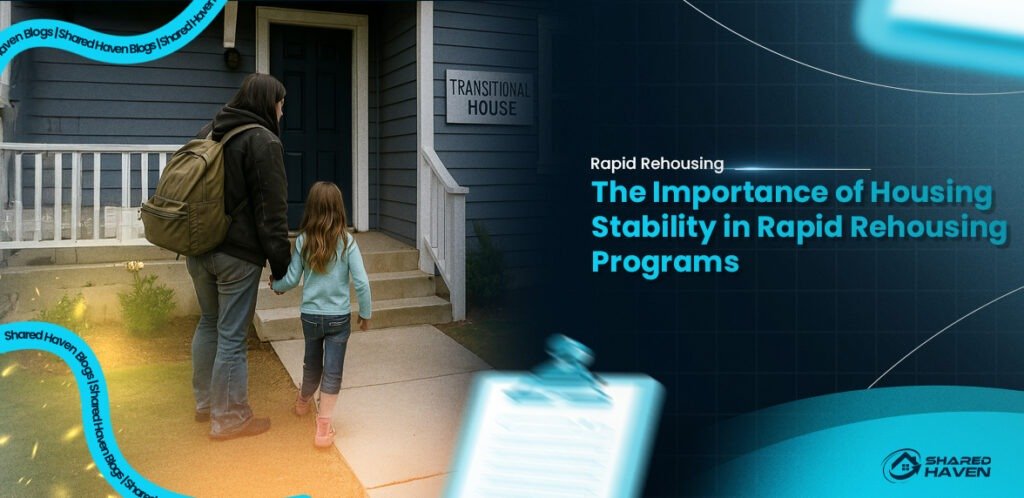
Housing stability changes lives in meaningful ways. Therefore, many communities invest in programs that help people move into permanent homes quickly. Individuals experiencing homelessness often face barriers beyond finding shelter. Consequently, they need ongoing support while rebuilding their lives. Rapid Rehousing provides that opportunity by combining housing assistance with personalized support services.
A safe home creates more than physical security. Instead, it provides a foundation for employment, education, healthcare, and stronger relationships. Moreover, stable housing reduces daily stress while increasing personal confidence. As a result, individuals can focus on building a better future instead of surviving each day.
Rapid Rehousing has become one of the most successful approaches for reducing homelessness. However, long-term success depends on maintaining housing after placement. Therefore, housing stability remains the primary goal throughout the program.
Why Rapid Rehousing Focuses on Housing Stability
Many traditional programs required lengthy shelter stays before permanent housing. However, Rapid Rehousing takes a different approach.
The program helps individuals move into permanent housing as quickly as possible. Meanwhile, financial assistance reduces the immediate burden of rent and move-in costs. Consequently, participants begin rebuilding their lives without unnecessary delays.
Housing stability allows participants to establish routines and regain independence. Likewise, it creates opportunities to reconnect with family, employers, and community resources. Every positive step strengthens long-term recovery from homelessness.
Most importantly, stable housing provides hope during a difficult transition.
Rapid Rehousing Creates a Strong Foundation
Every successful recovery begins with stability. Therefore, permanent housing becomes the starting point for personal growth.
Without stable housing, maintaining employment becomes much harder. Likewise, attending medical appointments or educational programs often becomes difficult. Consequently, housing insecurity affects nearly every area of daily life.
Rapid Rehousing changes that reality by providing immediate housing solutions. Participants can then focus on employment, financial planning, and personal wellness. As a result, they gain greater confidence while creating healthier routines.
A stable home also supports emotional well-being. Therefore, individuals often experience lower stress and greater peace of mind.
The Benefits of Rapid Rehousing for Individuals
Housing creates opportunities that extend far beyond having a place to sleep. Therefore, Rapid Rehousing produces benefits across many areas of life.
Participants often find employment more quickly after securing permanent housing. Likewise, reliable housing improves job performance through consistent daily routines. Stable income gradually replaces temporary financial assistance.
Healthcare also becomes easier to access. Consequently, participants receive regular medical care instead of relying on emergency services. Better health supports greater independence.
Children and family members also benefit when housing becomes stable. Although many participants are single adults, family reunification often becomes possible after permanent housing is secured.
These improvements strengthen both individuals and communities.
Housing Stability Reduces Long-Term Homelessness
Many people experience repeated housing loss without consistent support. Therefore, long-term housing stability remains essential.
Rapid Rehousing addresses immediate housing needs while preparing participants for future independence. Meanwhile, case managers continue providing guidance after move-in. Consequently, participants receive support before challenges become crises.
Budgeting assistance, employment referrals, and community resources all strengthen long-term success. Likewise, regular follow-up meetings help identify concerns early.
This proactive approach reduces the likelihood of returning to homelessness.
Rapid Rehousing Requires Strong Community Partnerships
Successful housing programs depend upon collaboration. Therefore, community partnerships remain one of the greatest strengths of Rapid Rehousing.
Housing providers offer available rental units. Meanwhile, nonprofit organizations provide supportive services and financial assistance. Local governments often contribute funding that expands program availability.
Healthcare providers also support participants by addressing physical and mental health needs. Likewise, employment agencies connect individuals with career opportunities.
Strong partnerships create more housing opportunities while improving long-term outcomes for participants.
The Role of Housing Coordinators in Rapid Rehousing
Housing coordinators guide participants throughout every stage of the program. Therefore, they become an essential part of long-term success.
They begin by assessing each participant’s housing needs and personal goals. Next, they identify available rental opportunities that match those needs. Consequently, housing searches become more efficient.
Housing coordinators also communicate with landlords throughout the leasing process. Likewise, they explain available assistance programs while answering important questions.
After placement, they continue monitoring participant progress. Therefore, they identify potential challenges before they threaten housing stability.
Their organization and communication create stronger outcomes for both participants and property owners.
Financial Support Strengthens Housing Stability
Many individuals cannot immediately afford market-rate housing. Therefore, temporary financial assistance remains an important part of Rapid Rehousing.
Programs often help with security deposits, application fees, and initial rent payments. Consequently, participants move into permanent housing much faster.
Financial assistance gradually decreases as income improves. Meanwhile, budgeting education prepares participants for long-term independence.
Learning financial responsibility supports lasting housing stability. Therefore, participants gain confidence while managing future expenses independently.
Employment Supports Rapid Rehousing Success
Stable employment and stable housing often work together. Therefore, employment services remain valuable throughout the program.
Many participants receive job placement assistance after moving into housing. Likewise, workforce training improves career opportunities and earning potential.
Reliable housing allows individuals to maintain consistent work schedules. Consequently, employers benefit from dependable employees while participants increase financial independence.
Employment also improves self-esteem. Therefore, individuals feel greater confidence while achieving personal goals.
Overcoming Challenges in Rapid Rehousing
Every participant faces unique obstacles during recovery from homelessness. However, consistent support improves long-term success.
Affordable housing shortages remain one of the greatest challenges. Therefore, programs continually develop relationships with additional landlords.
Mental health concerns also affect some participants. Consequently, counseling services and healthcare referrals become important resources.
Transportation barriers may limit employment opportunities. Meanwhile, community organizations often help participants access reliable transportation.
Through coordinated support, these challenges become easier to overcome.
The Future of Rapid Rehousing
Communities continue recognizing the value of permanent housing solutions. Therefore, Rapid Rehousing will likely remain an important strategy for reducing homelessness.
Technology already improves communication between housing providers and support agencies. Likewise, improved data systems help programs monitor participant progress more effectively.
Greater collaboration between public agencies, nonprofit organizations, and landlords will further strengthen housing opportunities. Consequently, more individuals will benefit from faster housing placement.
Continued investment in affordable housing will also improve long-term program success.
Conclusion
Housing stability provides the foundation for rebuilding lives after homelessness. Therefore, Rapid Rehousing continues helping individuals achieve lasting independence through immediate housing and ongoing support.
The program offers far more than temporary financial assistance. Instead, it creates opportunities for employment, healthcare, education, and stronger community connections. Every service contributes to greater long-term stability.
Housing coordinators play an essential role throughout this process. Their guidance helps participants locate housing, communicate with landlords, access community resources, and overcome challenges before they threaten long-term success.
Ultimately, Rapid Rehousing demonstrates that stable housing changes lives. When individuals receive safe housing combined with compassionate support, they gain the opportunity to build healthier, more independent futures with dignity and confidence.
National Hot Line for Homelessness