
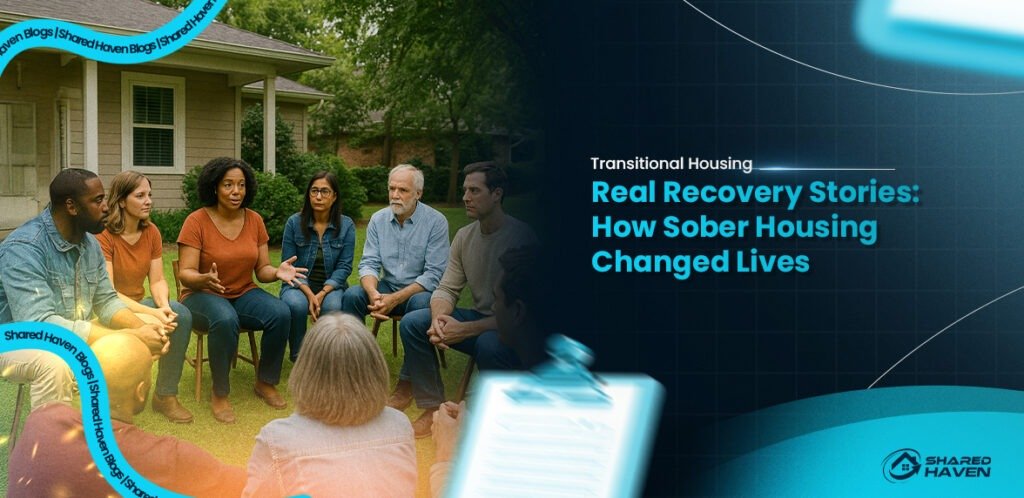
Recovery looks different for every person. Some people rebuild their lives quickly, while others need more time and support. Although every journey is unique, one thing remains consistent. A safe and stable environment makes recovery much stronger. This is why Sober Housing continues helping thousands of people transition from treatment into independent living. Instead of returning to stressful environments, residents gain time to rebuild confidence, strengthen healthy habits, and prepare for lasting success.
Many people believe completing rehabilitation guarantees lifelong recovery. Unfortunately, real life often presents new challenges after treatment ends. Financial pressure, unhealthy relationships, and daily stress can easily threaten sobriety. Therefore, Sober Housing provides an important bridge between structured treatment and complete independence. The following stories illustrate how supportive housing has transformed lives by creating hope, accountability, and lasting change.
Why Sober Housing Creates a Strong Foundation
Every successful recovery begins with stability. Without a secure place to live, focusing on long-term goals becomes difficult. People often spend their energy worrying about safety, finances, or where they will sleep. Consequently, recovery receives less attention than immediate survival.
Sober Housing changes this situation by providing a structured environment where recovery becomes the first priority. Residents live alongside people who understand similar struggles and celebrate similar victories. They encourage one another during difficult moments while creating friendships based on honesty and accountability. This supportive atmosphere allows residents to rebuild confidence one day at a time.
A Fresh Start Through Sober Housing
Michael entered treatment after years of alcohol addiction damaged every part of his life. He lost steady employment, separated from family members, and struggled to maintain healthy relationships. Although rehabilitation helped him stop drinking, he worried about returning to the same neighborhood that encouraged his addiction.
Instead of moving home immediately, Michael chose Sober Housing. The structured environment helped him develop healthier routines without overwhelming pressure. Every morning began with clear goals and personal responsibility. Residents prepared meals together, attended recovery meetings, and supported one another through daily challenges.
Within several months, Michael secured full-time employment and repaired communication with his parents. More importantly, he gained confidence in his ability to remain sober while handling everyday responsibilities. Today, he continues mentoring others beginning similar recovery journeys.
Sober Housing Helped Sarah Rebuild Her Confidence
Sarah completed rehabilitation after struggling with prescription drug addiction. Although treatment gave her hope, she feared living alone immediately afterward. She understood that isolation often increased emotional stress and unhealthy thinking.
Moving into Sober Housing changed her outlook completely. Instead of facing recovery alone, she found encouragement from residents who understood similar experiences. They celebrated small victories together while offering support during difficult days. This sense of belonging reduced loneliness and strengthened her motivation.
Meanwhile, Sarah enrolled in community college and began working part-time. She gradually rebuilt financial independence while learning healthier coping strategies. Looking back, she believes supportive housing gave her enough stability to create a completely different future.
Daily Structure Supports Lasting Recovery
One important lesson appears throughout many recovery stories. Successful sobriety depends on consistent daily habits rather than occasional motivation. Sober Housing creates routines that encourage healthy choices every day.
Residents usually wake at consistent times and complete household responsibilities before attending work, school, or recovery meetings. These predictable schedules reduce uncertainty while encouraging personal accountability. Additionally, structured routines leave less time for boredom or unhealthy influences.
Over time, these habits become natural. Residents gradually carry them into independent living after leaving the program. This practical preparation helps reduce relapse risks while increasing confidence.
Sober Housing Encourages Personal Responsibility
Recovery involves much more than avoiding drugs or alcohol. Individuals also learn responsibility for their decisions, finances, relationships, and personal well-being. Sober Housing encourages this growth by giving residents meaningful responsibilities within the home.
David experienced this transformation firsthand. Before treatment, addiction controlled every decision he made. Bills remained unpaid, employment became inconsistent, and relationships deteriorated quickly. During rehabilitation, he realized recovery required more than sobriety. It also required learning how to manage everyday life responsibly.
His Sober Housing program assigned weekly household responsibilities while encouraging employment and budgeting. At first, these tasks seemed simple. However, they gradually rebuilt discipline and confidence. David later explained that washing dishes consistently taught him as much about responsibility as attending recovery meetings.
Today, he owns a small business and continues supporting local recovery organizations. He credits structured living with helping him develop habits that continue benefiting every area of his life.
Building Healthy Relationships in Sober Housing
Addiction often damages trust between family members and close friends. Therefore, rebuilding healthy relationships requires patience and consistent effort. Sober Housing provides an environment where residents practice honest communication without fear of judgment.
Living alongside others recovering from addiction encourages empathy and mutual respect. Residents understand setbacks because many have experienced similar struggles themselves. Consequently, conversations become opportunities for growth rather than criticism.
These supportive friendships often continue long after residents move into independent housing. Many former residents remain connected through recovery meetings, community events, and ongoing mentorship. These lasting relationships strengthen recovery by providing encouragement during future challenges.
Employment Brings New Purpose
Finding meaningful employment represents another important milestone during recovery. Financial independence improves confidence while creating stability for the future. Many Sober Housing programs encourage residents to seek employment shortly after settling into the home.
Employment provides much more than income. It creates routine, responsibility, and personal accomplishment. Residents begin viewing themselves differently as they contribute positively to society. Small achievements gradually replace years of disappointment with renewed optimism.
Several residents describe their first paycheck after treatment as one of recovery’s most emotional moments. It represents more than money. It symbolizes progress, independence, and hope for a brighter future.
Sober Housing Helps Families Heal Together
Recovery affects more than the individual. It also impacts parents, spouses, children, and close friends. Addiction often breaks trust over many years, and rebuilding those relationships requires patience. Fortunately, Sober Housing gives residents the time and stability needed to repair family connections without rushing the process.
Emily experienced this challenge after completing treatment for substance abuse. She wanted to reconnect with her young daughter, but she understood that trust would not return overnight. While living in Sober Housing, she attended family counseling and focused on consistent actions rather than empty promises. She maintained regular communication, honored every commitment, and continued attending recovery meetings.
Over time, her family noticed real change. Small moments gradually replaced years of disappointment. Weekend visits became regular family dinners, and eventually, Emily returned home with renewed confidence. She often says that Sober Housing gave her the opportunity to become the mother she always wanted to be.
Building Confidence Through Daily Success
Confidence rarely returns immediately after treatment. Many residents begin recovery carrying guilt, fear, and uncertainty. Therefore, achieving small goals becomes an important part of rebuilding self-esteem.
Every completed responsibility creates momentum. Preparing meals, maintaining a clean room, arriving at work on time, and attending recovery meetings all reinforce positive habits. Although these achievements may appear simple, they remind residents that progress happens through consistent effort.
As confidence grows, people begin setting larger goals. Some return to school, while others pursue new careers or professional training. These accomplishments become powerful reminders that recovery opens new opportunities rather than limiting them.
Sober Housing Supports Emotional Healing
Addiction often develops alongside emotional pain. Many people entering recovery have experienced trauma, grief, anxiety, or depression. Consequently, healing requires attention to both emotional health and sobriety.
Sober Housing provides an environment where residents can continue counseling while practicing healthier coping strategies. Instead of escaping difficult emotions through substance use, they learn practical ways to manage stress. Regular therapy, peer support, exercise, and mindfulness become valuable recovery tools.
James described this change as the turning point in his recovery. Before entering treatment, he avoided every difficult emotion. During his time in Sober Housing, he learned that facing challenges honestly created lasting strength. Today, he continues practicing those same coping skills years after leaving the program.
Community Creates Lasting Recovery
Recovery becomes stronger when people know they are not alone. Isolation often increases relapse risks because individuals lose accountability and encouragement. Sober Housing replaces isolation with community, creating relationships built on understanding and shared experiences.
Residents celebrate milestones together, encourage one another during setbacks, and remind each other why recovery matters. These friendships often become lifelong support systems. Even after moving into independent housing, many former residents remain connected through recovery meetings and community activities.
This ongoing support reminds people that recovery remains a lifelong journey. Knowing someone understands their experiences often provides strength during difficult seasons.
Sober Housing Prepares Residents for Independent Living
The ultimate purpose of Sober Housing is preparing residents for successful independent lives. Recovery housing provides enough structure to encourage accountability while allowing individuals to regain personal responsibility gradually.
Residents manage employment, transportation, budgeting, household responsibilities, and healthy relationships before living independently again. This gradual transition reduces overwhelming pressure while strengthening confidence.
Many people describe this period as practice for everyday life. Instead of facing every challenge alone immediately after treatment, they build experience within a supportive environment. This preparation increases long-term success after leaving the program.
Every Recovery Story Looks Different
No two recovery journeys follow the same path. Some people rebuild quickly, while others require additional time and support. Both experiences deserve equal respect because recovery depends on persistence rather than speed.
Some residents arrive after their first treatment program. Others return after multiple relapses. Regardless of their history, everyone receives another opportunity to rebuild their lives through commitment and personal growth.
Recovery should never become a competition. Instead, every small step forward deserves recognition because lasting change develops through consistent effort.
Hope Begins With One Decision
Many people entering recovery believe their lives cannot improve. Addiction often creates years of disappointment and broken relationships. However, every success story begins with one important decision to accept help.
Choosing Sober Housing represents more than finding a safe place to live. It represents choosing accountability, stability, and personal growth. Although challenges continue, residents learn they no longer face those challenges alone.
Hope grows stronger with every healthy decision. As confidence increases, the future becomes filled with possibilities rather than fear.
Conclusion
Recovery is not defined by one day, one decision, or one milestone. Instead, it develops through consistent choices made over time. Sober Housing provides the structure, accountability, and encouragement that many people need during this important stage of recovery. By offering a safe environment and a supportive community, it helps residents rebuild confidence while preparing for independent living.
The stories shared throughout this article demonstrate that lasting recovery is possible regardless of past mistakes. Some individuals repaired family relationships, while others found meaningful careers or rediscovered personal purpose. Although each journey differed, every person benefited from stability, routine, and supportive relationships.
Sober Housing continues changing lives because it focuses on long-term success instead of short-term solutions. It allows people to practice healthy habits, develop life skills, and build confidence before facing life’s challenges independently. For many individuals, that opportunity becomes the foundation for a healthier future filled with hope, responsibility, and lasting recovery.
National Hotline for substance abuse