
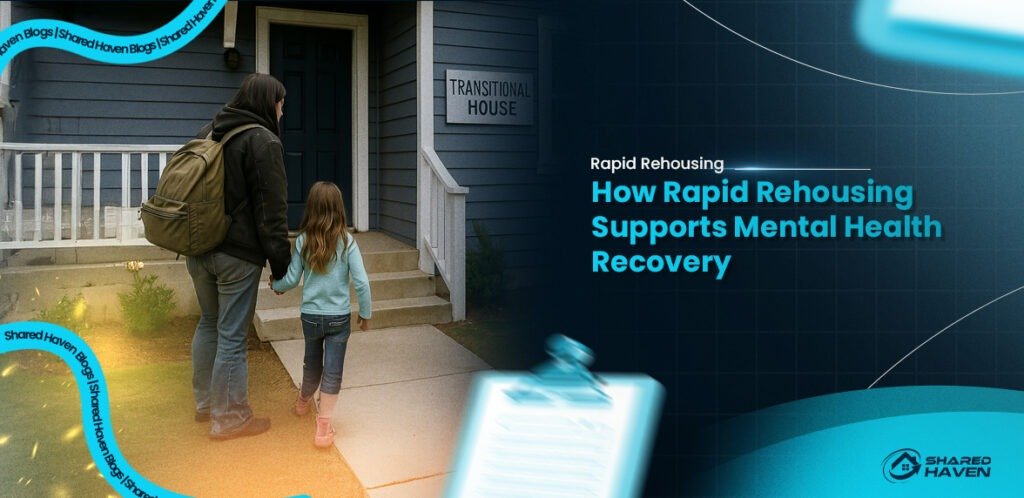
Stable housing plays a critical role in mental health recovery. Moreover, individuals need a safe environment before they can rebuild emotional strength. Therefore, people experiencing homelessness often face higher levels of stress and anxiety. Additionally, unstable living conditions can worsen depression and trauma-related symptoms. However, traditional support systems sometimes ignore the urgency of housing needs. Consequently, recovery becomes slower and less effective for many individuals. Thus, Rapid Rehousing offers a fast and structured solution to this challenge. Furthermore, Rapid Rehousing helps people move into secure housing without unnecessary delays. In turn, this immediate stability supports emotional healing and long-term recovery. Overall, the connection between housing and mental health remains essential for lasting change.
How Rapid Rehousing Supports Mental Health Recovery
Rapid Rehousing reduces the uncertainty that often harms mental well-being. Moreover, individuals gain a sense of control once they secure a home. Therefore, this stability helps reduce symptoms of anxiety and depression. Additionally, having a private space allows individuals to rest and reflect. However, shelters often lack the privacy needed for emotional recovery. Consequently, many people feel overwhelmed in crowded environments. Thus, Rapid Rehousing provides a calmer and more supportive setting. Furthermore, individuals can begin rebuilding routines and healthy habits. In turn, consistent routines improve both mental and emotional stability. Overall, Rapid Rehousing creates an environment where recovery can truly begin.
The Role of Rapid Rehousing in Reducing Stress
Stress levels decrease when individuals no longer worry about where to sleep. Moreover, Rapid Rehousing removes the daily struggle for shelter. Therefore, individuals can focus on personal growth and healing. Additionally, stable housing improves sleep quality and overall health. However, chronic stress often leads to serious mental health conditions. Consequently, reducing stress becomes a key part of recovery. Thus, Rapid Rehousing acts as an immediate stress-relief solution. Furthermore, individuals feel safer and more secure in their own space. In turn, this sense of safety supports emotional regulation. Overall, reduced stress leads to better mental health outcomes.
Rapid Rehousing and the Importance of Routine
Routine plays a major role in mental health recovery. Moreover, Rapid Rehousing allows individuals to establish daily habits. Therefore, consistent routines create a sense of normalcy. Additionally, individuals can plan their days with greater confidence. However, unstable housing disrupts even the simplest routines. Consequently, people often feel lost and unproductive. Thus, Rapid Rehousing helps rebuild structure in daily life. Furthermore, routines improve time management and personal responsibility. In turn, individuals regain confidence in their abilities. Overall, structured living supports long-term mental health stability.
Emotional Healing Through Rapid Rehousing
Emotional healing requires a safe and stable environment. Moreover, Rapid Rehousing provides the privacy needed for self-reflection. Therefore, individuals can process their experiences without constant disruption. Additionally, a personal space allows for healthier coping strategies. However, crowded shelters can increase emotional distress. Consequently, individuals struggle to focus on healing. Thus, Rapid Rehousing creates a peaceful setting for recovery. Furthermore, individuals feel more in control of their lives. In turn, this control supports emotional resilience. Overall, a stable home becomes a foundation for healing.
Rapid Rehousing and Access to Support Services
Rapid Rehousing connects individuals with essential support services. Moreover, stable housing makes it easier to attend therapy sessions. Therefore, individuals can stay consistent with their treatment plans. Additionally, service providers can better track progress. However, homelessness often creates barriers to accessing care. Consequently, many individuals miss important appointments. Thus, Rapid Rehousing removes these barriers effectively. Furthermore, individuals can focus on long-term recovery goals. In turn, consistent support improves mental health outcomes. Overall, access to services becomes more reliable with stable housing.
Building Confidence with Rapid Rehousing
Confidence grows when individuals achieve stability. Moreover, Rapid Rehousing helps people regain independence. Therefore, individuals begin to trust their ability to manage life. Additionally, stable housing supports decision-making and goal setting. However, instability often leads to self-doubt. Consequently, people may feel stuck in negative cycles. Thus, Rapid Rehousing breaks this pattern. Furthermore, individuals gain a renewed sense of purpose. In turn, confidence supports continued mental health recovery. Overall, self-belief becomes stronger with stable living conditions.
Rapid Rehousing and Social Connection
Social connection plays a key role in mental well-being. Moreover, Rapid Rehousing allows individuals to reconnect with family and friends. Therefore, stable housing supports healthier relationships. Additionally, individuals can engage with their communities more easily. However, homelessness often leads to isolation. Consequently, people feel disconnected and lonely. Thus, Rapid Rehousing helps rebuild social networks. Furthermore, strong relationships improve emotional support. In turn, individuals feel less alone in their recovery journey. Overall, connection strengthens mental health resilience.
The Transaction Coordinator’s Role in Rapid Rehousing
A transaction coordinator ensures that housing processes run smoothly. Moreover, this role becomes essential in Rapid Rehousing programs. Therefore, coordinators manage paperwork, timelines, and communication. Additionally, they help reduce delays in securing housing. However, complex processes can slow down placements. Consequently, individuals may remain in unstable conditions longer. Thus, a transaction coordinator speeds up the entire process. Furthermore, they ensure all requirements meet legal and program standards. In turn, this efficiency helps individuals access housing quickly. Overall, transaction coordinators play a vital role in successful Rapid Rehousing outcomes.
Why Rapid Rehousing Needs Strong Coordination
Rapid Rehousing involves multiple steps and stakeholders. Moreover, coordination ensures everything stays on track. Therefore, transaction coordinators act as the central point of communication. Additionally, they handle documentation and approvals efficiently. However, poor coordination can create unnecessary delays. Consequently, individuals may lose housing opportunities. Thus, strong coordination improves program effectiveness. Furthermore, coordinators help maintain clear communication between all parties. In turn, this clarity reduces confusion and stress. Overall, organized systems lead to better results in Rapid Rehousing programs.
Long-Term Mental Health Benefits of Rapid Rehousing
Long-term stability supports lasting mental health improvements. Moreover, Rapid Rehousing provides a strong foundation for growth. Therefore, individuals can focus on education and employment goals. Additionally, stable housing reduces the risk of relapse into crisis situations. However, without support, recovery may not last. Consequently, long-term planning becomes essential. Thus, Rapid Rehousing creates opportunities for sustained progress. Furthermore, individuals build healthier lifestyles over time. In turn, consistent stability strengthens emotional resilience. Overall, long-term benefits make Rapid Rehousing a valuable solution.
Conclusion: Rapid Rehousing as a Path to Recovery
Mental health recovery requires stability, support, and structure. Moreover, Rapid Rehousing addresses all these essential needs. Therefore, individuals can begin rebuilding their lives with confidence. Additionally, the role of a transaction coordinator ensures smooth and efficient processes. However, without proper systems, progress may slow down. Consequently, strong coordination remains crucial for success. Thus, Rapid Rehousing stands as a powerful tool for recovery. Furthermore, it provides both immediate relief and long-term benefits. In turn, individuals achieve better mental health outcomes. Overall, combining housing solutions with effective coordination creates lasting change.
National Hot Line for Homelessness