
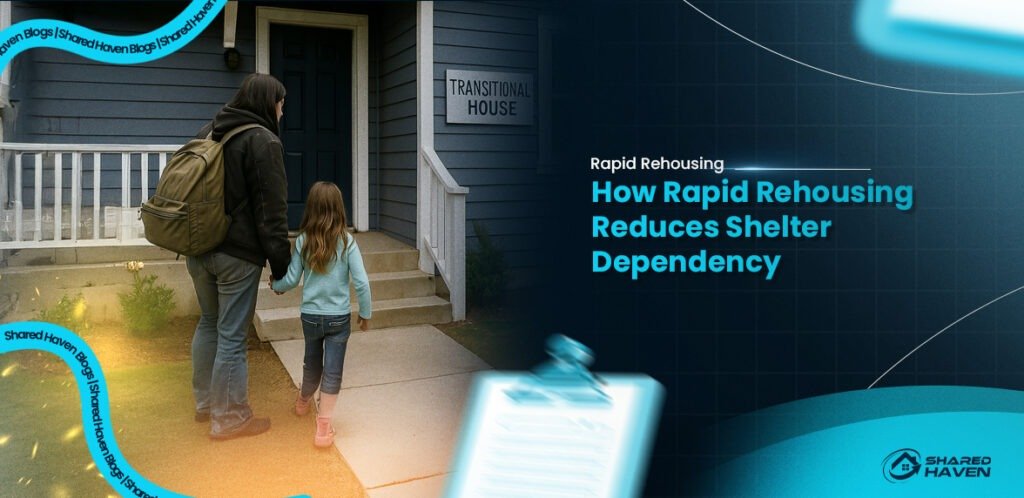
Many families experience housing challenges every year. Therefore, communities need practical solutions that create lasting stability.
Emergency shelters provide temporary safety during difficult times. However, they cannot replace permanent housing for long-term success.
People need stable homes to rebuild their lives. Consequently, permanent housing becomes the foundation for independence.
Rapid Rehousing helps individuals leave shelters faster. Moreover, it connects families with safe housing and supportive services.
This approach focuses on immediate housing instead of extended shelter stays. Therefore, participants regain stability more quickly.
Communities also benefit from reduced shelter demand. As a result, emergency resources remain available for people facing urgent crises.
Long-term housing creates stronger neighborhoods. Furthermore, it improves opportunities for education, employment, and personal growth.
How Rapid Rehousing Works
Rapid Rehousing provides short-term rental assistance and housing support. Therefore, participants secure permanent homes without unnecessary delays.
Case managers assess each family’s immediate needs. Next, they develop practical housing plans with realistic goals.
Financial assistance helps cover move-in expenses. Meanwhile, housing specialists identify available rental opportunities.
Participants also receive ongoing support after moving. Consequently, they adjust more successfully to independent living.
Rapid Rehousing encourages self-sufficiency instead of long-term dependency. Therefore, families gain confidence while rebuilding their futures.
Support services remain flexible throughout the process. Moreover, assistance changes as individual needs improve.
Rapid Rehousing Creates Better Outcomes
Stable housing improves many areas of daily life. Therefore, families experience fewer ongoing challenges.
Children attend school more consistently. Likewise, parents focus better on employment opportunities.
Healthcare also becomes easier to manage. Consequently, individuals maintain healthier lifestyles after securing permanent housing.
Rapid Rehousing reduces emotional stress during recovery. Furthermore, stable homes create stronger family relationships.
Participants regain hope through consistent progress. Therefore, they remain motivated toward long-term independence.
Communities also experience lower shelter demand. As a result, local support systems operate more effectively.
Reducing Shelter Dependency Through Planning
Planning remains essential for successful housing transitions. Therefore, every participant benefits from organized support.
Housing specialists create detailed action plans early. Next, they identify realistic rental opportunities within local communities.
Participants gather important documents before applying. Meanwhile, support teams coordinate every required step.
Clear planning reduces unnecessary delays. Consequently, families move into permanent housing sooner.
Rapid Rehousing emphasizes preparation before every milestone. Therefore, transitions become smoother and more successful.
Strong planning also builds participant confidence. Moreover, organized steps reduce uncertainty during challenging situations.
The Role of the Transaction Coordinator
Successful housing programs require excellent organization. Therefore, the transaction coordinator becomes an important team member.
The transaction coordinator manages critical documents carefully. Additionally, they monitor deadlines throughout the housing process.
They communicate with landlords, agencies, and support staff. Consequently, everyone receives accurate information on time.
They also verify paperwork before approvals. As a result, applications move forward without unnecessary delays.
Organized coordination reduces administrative mistakes. Therefore, families experience fewer barriers before moving into housing.
The transaction coordinator also tracks important milestones. Moreover, they support efficient communication between every participant.
Their work strengthens the entire housing process. Consequently, Rapid Rehousing programs operate more effectively.
Rapid Rehousing Supports Financial Stability
Housing stability improves financial health over time. Therefore, participants focus on building stronger futures.
Rental assistance reduces immediate financial pressure. Meanwhile, families create realistic household budgets.
Case managers teach responsible money management. Consequently, participants develop healthier financial habits.
Rapid Rehousing also encourages long-term employment goals. Therefore, families increase financial independence gradually.
Stable housing supports consistent work attendance. Moreover, reliable employment strengthens housing security.
Financial confidence grows through careful planning. As a result, participants become less dependent on emergency assistance.
Community Partnerships Strengthen Success
Housing programs succeed through collaboration. Therefore, community partnerships remain extremely valuable.
Landlords provide available rental opportunities. Likewise, nonprofit organizations offer supportive resources.
Employers create job opportunities for participants. Meanwhile, local agencies provide healthcare and educational services.
Rapid Rehousing connects these valuable resources efficiently. Consequently, families receive complete support during every stage.
Strong partnerships improve housing availability. Therefore, more participants achieve lasting independence.
Communities also benefit from shared responsibility. Moreover, organizations work together toward common goals.
Rapid Rehousing Improves Client Confidence
Confidence grows when families achieve stable housing. Therefore, permanent homes create emotional security.
Participants feel hopeful after leaving emergency shelters. Consequently, they begin planning for brighter futures.
Children also benefit from stable routines. Likewise, parents experience greater peace of mind.
Rapid Rehousing provides encouragement throughout every transition. Moreover, supportive services reduce unnecessary stress.
Small achievements build lasting confidence. Therefore, participants remain focused on future success.
Stable housing supports healthier decision-making. As a result, families continue making positive progress.
Organized Processes Improve Results
Every housing transition includes many important steps. Therefore, organization remains essential throughout the process.
Support teams review documents before submission. Next, they confirm every requirement carefully.
The transaction coordinator maintains organized records daily. Consequently, information remains accurate and accessible.
Clear communication prevents misunderstandings. Moreover, organized systems improve service quality.
Rapid Rehousing programs depend on reliable processes. Therefore, careful coordination strengthens every successful placement.
Every completed task supports the next milestone. As a result, families experience smoother housing transitions.
Why Rapid Rehousing Encourages Independence
Independence remains the primary goal of every housing program. Therefore, stable housing creates opportunities for long-term success.
Rapid Rehousing helps participants regain control of daily life. Consequently, they make confident decisions about their future.
Families establish healthy routines inside permanent homes. Moreover, children benefit from consistent schedules and stable environments.
Adults also focus on employment and education. Likewise, they improve important life skills through daily practice.
Support services continue during early transitions. Therefore, participants receive guidance while building independence.
Eventually, families rely less on outside assistance. As a result, they achieve greater financial and personal stability.
Preventing Future Housing Crises
Preventing homelessness requires more than temporary shelter. Therefore, long-term planning remains essential.
Rapid Rehousing addresses immediate housing needs quickly. Meanwhile, supportive services reduce future risks.
Case managers teach problem-solving and budgeting skills. Consequently, participants handle future challenges with greater confidence.
Employment support also improves long-term stability. Moreover, financial education strengthens household planning.
Families learn to prepare for unexpected expenses. Therefore, they reduce the chances of future housing loss.
Preventive strategies protect both families and communities. As a result, shelter dependency continues to decline.
The Transaction Coordinator Keeps Programs Moving
Housing programs involve many documents and deadlines. Therefore, organized coordination supports every successful placement.
The transaction coordinator reviews applications carefully. Next, they confirm required paperwork before processing.
They communicate with landlords and service providers regularly. Consequently, housing approvals happen more efficiently.
They also schedule inspections and important meetings. Moreover, they monitor progress throughout every stage.
Accurate records reduce administrative delays. Therefore, families move into housing more quickly.
Their organization benefits every participant involved. As a result, Rapid Rehousing programs maintain consistent quality.
Rapid Rehousing Builds Stronger Communities
Stable housing benefits entire neighborhoods. Therefore, communities experience positive social and economic improvements.
Families participate more actively in local activities. Likewise, children build lasting friendships through stable schools.
Employment rates also improve after housing placement. Consequently, local economies become stronger over time.
Rapid Rehousing reduces pressure on emergency shelters. Moreover, community resources reach people facing immediate crises.
Landlords also benefit from reliable support programs. Therefore, more housing opportunities become available.
Healthy communities depend on stable families. As a result, permanent housing creates lasting positive change.
Measuring Long-Term Success
Success extends beyond housing placement alone. Therefore, programs evaluate long-term outcomes carefully.
Stable housing remains the first important milestone. Next, employment and education measure continued progress.
Case managers also monitor participant well-being. Consequently, they identify additional support when necessary.
Rapid Rehousing encourages continuous improvement. Moreover, participants build stronger futures through consistent progress.
Communities review program performance regularly. Therefore, housing services continue improving every year.
Reliable data supports better planning. As a result, more families receive effective assistance.
Why Organized Housing Programs Matter
Organization strengthens every successful housing initiative. Therefore, structured systems remain essential.
Clear procedures improve communication between every partner. Likewise, accurate documentation supports efficient decision-making.
The transaction coordinator keeps information organized daily. Consequently, housing teams avoid unnecessary confusion.
Rapid Rehousing also benefits from consistent workflows. Moreover, every participant receives dependable support.
Well-managed programs build stronger trust. Therefore, families feel confident throughout every housing transition.
Reliable systems also improve staff productivity. As a result, more families receive timely assistance.
Final Thoughts
Every family deserves the opportunity for stable housing. Therefore, practical housing solutions remain essential.
Rapid Rehousing reduces shelter dependency by creating faster access to permanent homes. Consequently, families regain independence sooner.
Supportive services strengthen every housing placement. Moreover, financial guidance and case management encourage lasting stability.
The transaction coordinator also plays a valuable role throughout the process. They organize documents, monitor deadlines, and improve communication between every participant.
Their careful coordination reduces delays and improves housing outcomes. Therefore, families experience smoother transitions into permanent homes.
Communities benefit when shelter dependency decreases. Likewise, emergency resources become available for people facing immediate housing crises.
Rapid Rehousing creates stronger families, healthier neighborhoods, and more efficient support systems. Consequently, everyone benefits from organized housing solutions.
Long-term success depends on teamwork, planning, and consistent support. Therefore, combining Rapid Rehousing with skilled transaction coordinators creates better housing experiences for every participant.
Ultimately, stable housing offers more than shelter. Instead, it provides hope, opportunity, and a path toward lasting independence. Every organized effort moves families closer to secure futures while strengthening entire communities.
National Hot Line for Homelessness