
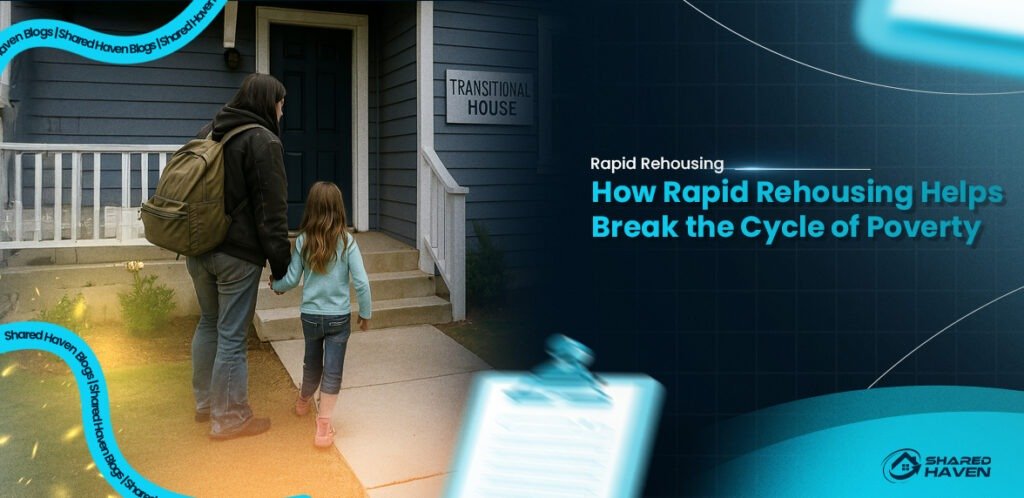
Poverty often begins with one unexpected crisis. A lost job, medical emergency, or family hardship can quickly lead to housing instability. Once a family loses stable housing, rebuilding financial security becomes much harder. Fortunately, Rapid Rehousing offers a practical solution that helps individuals and families regain stability quickly.
Rapid Rehousing focuses on moving people into permanent housing as soon as possible. Instead of spending months in temporary shelters, participants receive housing assistance and supportive services. As a result, they can focus on rebuilding their lives instead of worrying about where they will sleep.
This article explains how Rapid Rehousing helps break the cycle of poverty and creates opportunities for lasting independence.
Understanding Rapid Rehousing
Rapid Rehousing is a housing assistance program designed to help people experiencing homelessness quickly secure permanent housing.
The program typically provides short-term rental assistance, housing search support, and case management. Additionally, participants receive guidance that helps them remain housed after assistance ends.
Unlike long-term housing programs, Rapid Rehousing emphasizes quick placement into stable homes.
This approach allows families to return to normal life sooner.
Why Rapid Rehousing Matters
Stable housing creates the foundation for personal and financial success.
Without a safe place to live, maintaining employment becomes difficult. Likewise, children often struggle in school while families experience constant stress.
Rapid Rehousing reduces these challenges by helping people secure housing quickly.
As housing becomes stable, families gain the opportunity to focus on employment, education, and long-term financial planning.
Rapid Rehousing Reduces Financial Pressure
Housing insecurity creates ongoing financial stress.
Families often spend limited income on temporary accommodations or emergency expenses. Consequently, saving money becomes almost impossible.
Rapid Rehousing reduces immediate housing costs through temporary rental assistance.
As expenses decrease, families can focus on paying bills, reducing debt, and building savings.
Financial stability becomes more achievable with secure housing.
Stable Housing Supports Employment
Employment plays an essential role in overcoming poverty.
However, finding and keeping a job becomes difficult without stable housing.
Rapid Rehousing provides families with a permanent address, making job applications and employer communication easier.
Additionally, reliable housing improves transportation planning and daily routines.
Steady employment strengthens long-term financial independence.
Rapid Rehousing Improves Children’s Lives
Children experience significant stress during housing instability.
Frequent moves interrupt education and social development. Furthermore, uncertainty affects emotional well-being.
Rapid Rehousing helps children return to consistent school attendance.
Stable housing also creates a safer environment for learning and personal growth.
These improvements support better long-term outcomes.
Rapid Rehousing Strengthens Mental Health
Housing insecurity affects emotional health.
Stress, anxiety, and uncertainty often increase during homelessness.
Rapid Rehousing provides immediate relief through safe and stable housing.
Additionally, many programs offer counseling and supportive services.
Improved mental health helps participants focus on future goals.
Community Support Enhances Rapid Rehousing
Successful housing programs involve more than financial assistance.
Case managers connect participants with employment services, healthcare, childcare, and educational resources.
These connections help families address challenges beyond housing.
Strong community support encourages lasting stability.
Participants gain valuable resources that improve overall quality of life.
Rapid Rehousing Encourages Financial Independence
The goal of Rapid Rehousing extends beyond temporary assistance.
Programs encourage participants to become financially self-sufficient.
Case managers help create realistic budgets and financial plans.
Additionally, employment support increases household income over time.
These practical skills reduce future housing risks.
Overcoming Common Challenges
Transitioning into permanent housing requires adjustment.
Some families face employment challenges. Others manage healthcare needs or childcare responsibilities.
Fortunately, Rapid Rehousing programs provide continued guidance during these transitions.
Supportive services help participants overcome obstacles confidently.
Preparation increases the likelihood of lasting success.
Rapid Rehousing Builds Long-Term Stability
Long-term success begins with stable housing.
Once families secure permanent homes, they can pursue education, career advancement, and personal goals.
Children benefit from consistent schools and supportive communities.
Adults gain greater confidence through employment and financial progress.
These improvements reduce the likelihood of future homelessness.
The Importance of Personalized Support
Every family’s situation differs.
Therefore, Rapid Rehousing programs tailor services to individual needs.
Some participants require employment assistance.
Others benefit from financial counseling or healthcare referrals.
Personalized support creates better long-term outcomes.
Families receive the resources they need most.
Breaking the Cycle of Poverty
Poverty often continues across generations without intervention.
Children experiencing homelessness face educational and economic disadvantages.
Rapid Rehousing interrupts this cycle by providing stable living conditions.
Parents gain opportunities to improve income.
Meanwhile, children benefit from safer environments and consistent education.
These positive changes support brighter futures.
Why Early Intervention Matters
The longer families remain homeless, the greater the challenges become.
Therefore, quick action improves outcomes significantly.
Rapid Rehousing minimizes time spent without permanent housing.
Early support reduces emotional stress and financial hardship.
Fast intervention helps families recover more effectively.
The Future of Rapid Rehousing
Communities increasingly recognize the value of housing-first approaches.
Rapid Rehousing continues helping families regain independence while reducing homelessness.
As programs expand, more individuals receive timely assistance.
Continued investment strengthens local communities and improves economic stability.
Housing remains the first step toward lasting success.
Conclusion
Rapid Rehousing provides more than temporary housing assistance. It creates opportunities for individuals and families to rebuild their lives with dignity and stability. By offering quick access to permanent housing, financial support, and personalized services, the program helps reduce the long-term effects of poverty.
Stable housing allows adults to pursue employment, improve financial security, and plan for the future. At the same time, children benefit from consistent education, safer neighborhoods, and improved emotional well-being.
Breaking the cycle of poverty requires practical solutions, and Rapid Rehousing has proven to be one of the most effective approaches. With stable housing, supportive services, and community resources, families can build stronger futures and achieve lasting independence.
FAQs
What is Rapid Rehousing?
Rapid Rehousing is a housing assistance program that helps people experiencing homelessness quickly move into permanent housing.
Who qualifies for Rapid Rehousing?
Eligibility varies by program, but it generally serves individuals and families experiencing homelessness or housing instability.
How does Rapid Rehousing reduce poverty?
It provides stable housing, rental assistance, and support services that help families secure employment and achieve financial independence.
How long does Rapid Rehousing assistance last?
The length of assistance depends on individual needs and local program guidelines.
Why is Rapid Rehousing effective?
It focuses on quickly securing permanent housing while providing supportive services that encourage long-term stability and self-sufficiency.
National Hot Line for Homelessness