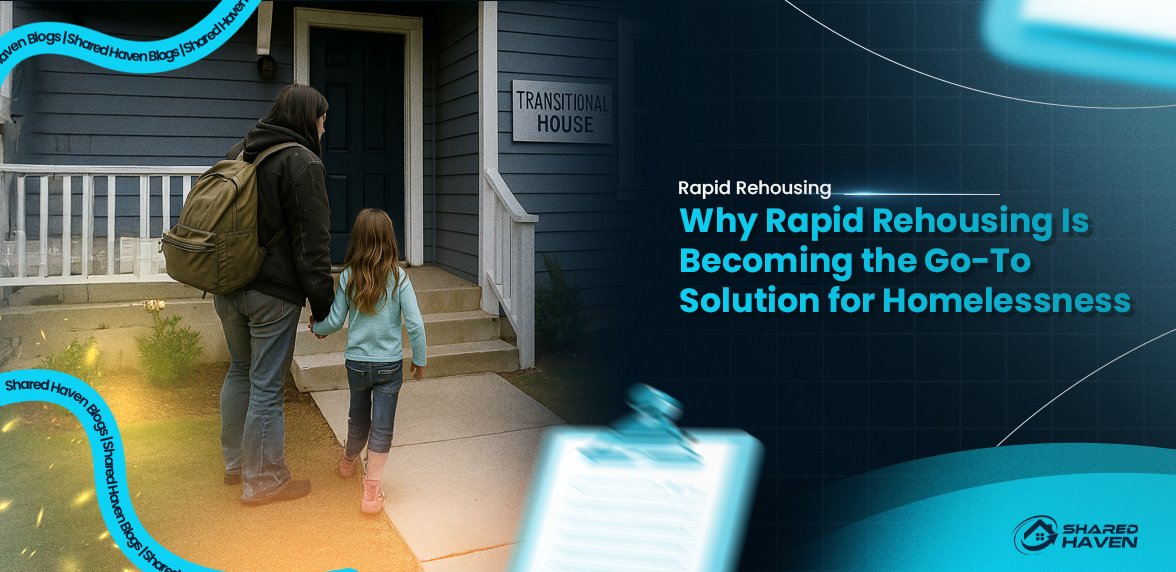

The Purpose of a Halfway House in Daily Life
A Halfway House creates a safe space for people who want stable recovery. Many people leave treatment and feel lost. A Halfway House gives them structure during this high-risk stage. The routine helps them avoid stress triggers. Daily structure also supports long-term sober living. Many residents find the setup comforting. They know what to expect each day. This stable environment reduces chaos. It also builds practical life habits that support recovery.
A Halfway House offers peer support every day. Residents live with others who share the same goal. This shared goal creates a bond. The group pushes each person to stay focused. Living with others in recovery helps each resident feel understood. Many people don’t get that support outside. The routine helps them feel grounded during tough moments. The structure also reduces loneliness. Each part of the daily plan aims to build strong personal growth.
Morning Routines That Build Stability
The morning routine in a Halfway House sets the tone for the entire day. Most houses start early to build discipline. This early start gets residents into a helpful rhythm. A consistent pattern helps the brain reset after long habits of stress or addiction. Morning routines are simple but effective. Many residents rise at the same time each day. They make their beds and clean their rooms. These steps teach accountability.
Breakfast usually comes next. Many houses encourage residents to share meals. Eating together helps them bond. It also creates a positive start to the day. Morning rules keep the home calm. A Halfway House uses these early hours to build important habits. These habits teach discipline, stability, and balance. Each morning has a clear purpose. The focus stays on sober living and daily progress.
The Role of Personal Responsibility in a Halfway House
Living in a Halfway House means taking responsibility every day. Residents follow rules that support healthy living. They handle chores, show respect, and attend required meetings. These steps help them rebuild control. Many people feel lost after treatment. The responsibility at a Halfway House guides them back into real life. Each task prepares them for outside pressures.
Daily chores help residents work as a team. These tasks keep the home clean. Clean spaces support mental clarity. A Halfway House uses this approach to teach life skills. Many residents never had structure before. Some lived in chaos for years. Now the routine gives them a fresh path. They learn how to manage their time. They also learn how to handle commitments. This structure becomes a major tool for sober living.
Midday Schedules and Healthy Life Habits
Midday schedules in a Halfway House focus on productive tasks. Many residents have jobs or attend classes. Work helps them gain independence. Classes help them rebuild education or new skills. Productive tasks reduce boredom. Boredom can become a risk for relapse. A Halfway House keeps people active. Activity supports a healthy mind.
Some residents attend therapy or support groups during this time. Counseling helps them handle emotional challenges. Group meetings help with peer support. Some homes require daily or weekly sessions. A Halfway House uses these hours to guide inner growth. Many residents learn how to manage stress. They also learn how to recognize triggers. These skills help them face real-world problems. Midday schedules bring purpose and steady growth.
The Importance of Meetings in a Halfway House
Meetings are a major part of life in a Halfway House. These meetings keep residents focused. They also help them share struggles in a safe group. Meetings can include recovery discussions, life skills classes, or progress checks. Each meeting teaches something new. A Halfway House offers different formats to match resident needs.
Daily meetings support accountability. Weekly meetings help track long-term goals. Many people enter sober living with fear. They worry about failing. The meetings help reduce this fear. They learn that others struggle too. This shared experience builds confidence. Meetings allow people to speak honestly. They also help residents celebrate small wins. This routine becomes an anchor during recovery.
Afternoon Activities That Support Recovery
Afternoons in a Halfway House often include personal development activities. Many houses encourage fitness. Exercise helps improve mood and reduce anxiety. Some homes include group workouts. Others allow personal fitness time. A Halfway House promotes physical health as part of recovery.
Residents also handle errands during this time. Some shop for groceries. Others handle work tasks. Daily responsibilities teach independence. The routine helps them prepare for life outside. A Halfway House helps residents build strong habits. Each task supports long-term success. The afternoon also gives them time to reflect. Many use this time for journaling or quiet thought. These habits help maintain sobriety.
Evening Structure in a Halfway House
Evenings in a Halfway House usually include community time. Many residents cook dinner together. Shared meals give them a sense of family. They talk about their day. They share progress and concerns. The evening creates a peaceful end to the day.
Some homes require evening meetings. Others allow free time after dinner. Many residents relax, read, or enjoy group activities. A Halfway House balances structure and freedom. The routine helps residents settle down. Calm evenings reduce stress and late-night triggers. Many people find peace in these slow hours. Sleep routines also matter. Residents must follow a set bedtime. A healthy sleep pattern supports brain recovery.
Why Structure Matters in a Halfway House
Structure is one of the most important parts of a Halfway House. Many people enter recovery after years of chaos. A set schedule helps them repair their lives. Structure reduces risky moments. It also builds trust and personal discipline. Residents learn how to manage time. They also learn how to stay consistent.
A Halfway House uses structure to strengthen sober living. Each rule guides a positive habit. When residents follow these rules, they build stronger mental clarity. They also learn how to stay focused during stress. Structure offers calm during difficult days. Many people need this support. The routine becomes a strong foundation. It protects them during early recovery.
How a Halfway House Supports Sober Living Beyond Routine
A Halfway House offers more than a daily plan. It gives people a community that understands recovery. Residents get support at every stage. The home offers guidance during rough days. It also offers encouragement during major progress. Many people stay connected to their house even after leaving. They return for support or to help others.
Sober living requires more than willpower. It needs structure, guidance, and connection. A Halfway House provides all three. The home teaches residents how to handle challenges. It also teaches them how to enjoy life without substances. Many learn new hobbies. Some build new friendships. A Halfway House becomes a stepping stone toward a stronger life. Many people see it as a fresh start.
The Emotional Benefits of Sober Living in a Halfway House
Residents gain emotional stability through daily routines. A Halfway House helps them process emotions in healthier ways. Many people used substances to avoid pain. Now they learn how to feel in a safe environment. Support from peers makes it easier. They learn that emotions are normal. They also learn how to manage them.
The home provides a balance of privacy and connection. Residents feel seen but not judged. This emotional support builds confidence. It also helps them stay committed to sobriety. A Halfway House guides them toward emotional maturity. The routine becomes a tool for healing. Many residents find comfort in this stability.
Building Life Skills Inside a Halfway House
Residents gain many life skills each day. A Halfway House teaches financial responsibility. Some homes require budgeting exercises. Others help with job applications. Many residents learn cooking skills. Some learn conflict resolution. A Halfway House focuses on growth.
These skills help residents live independently. They feel prepared for the outside world. Life skills reduce fear of relapse. They also help residents build strong futures. Many leave with confidence and stability. Sober living improves when life skills grow.
The Long-Term Value of a Halfway House Routine
The daily routine in a Halfway House builds long-term success. Each habit prepares residents for life after sober living. Structure keeps them focused. Community support keeps them grounded. Skills gained in the home help them avoid relapse. Many people credit their future success to their time in the home.
A Halfway House helps residents rebuild hope. They learn how to trust themselves again. They also learn how to plan for the future. The routine offers stability, guidance, and support. Sober living becomes easier when life has direction. The home gives them that direction.
Final Thoughts: Why the Halfway House Routine Matters
A Halfway House provides structure, support, and daily purpose. These elements are vital for sober living. Each part of the routine helps people grow. The home offers a safe and stable path. Residents gain confidence and clarity. They also gain tools that shape a better future.
A Halfway House builds a routine that protects sobriety. It guides residents toward long-term success. Many people leave the home with stronger lives. The routine becomes a foundation for lasting change. Sober living thrives when structure exists. This is why the daily routine in a Halfway House matters so much.
National Hotline for substance abuse