
Understanding the Purpose of Sober living
When you decide to move into Sober living, you take an important step forward. At first, the change may feel overwhelming. However, this environment exists to support stability after treatment. Instead of offering intense medical supervision, Sober living provides structure and accountability. Therefore, residents learn how to manage daily life without returning to harmful habits.
Because early recovery can feel fragile, a supportive setting makes a major difference. In this environment, you practice independence while still receiving guidance. As a result, you gain confidence slowly and safely. Over time, structure replaces chaos, and consistency replaces impulsive behavior.
Preparing Emotionally for Sober living
Before moving in, you may experience mixed emotions. On one hand, you may feel hopeful about change. On the other hand, you may feel nervous about new routines. However, those emotions are normal during transitions. Because growth requires discomfort, temporary anxiety often signals progress.
Therefore, approach Sober living with realistic expectations. Instead of expecting perfection, focus on steady improvement. Additionally, remind yourself that everyone in the house shares a similar journey. As a result, you will not face challenges alone.
Daily Structure Inside Sober living Homes
Once you arrive, you will notice clear rules and schedules. Typically, Sober living homes set curfews to promote healthy routines. Moreover, they require attendance at recovery meetings. Because consistency strengthens recovery, daily structure becomes essential.
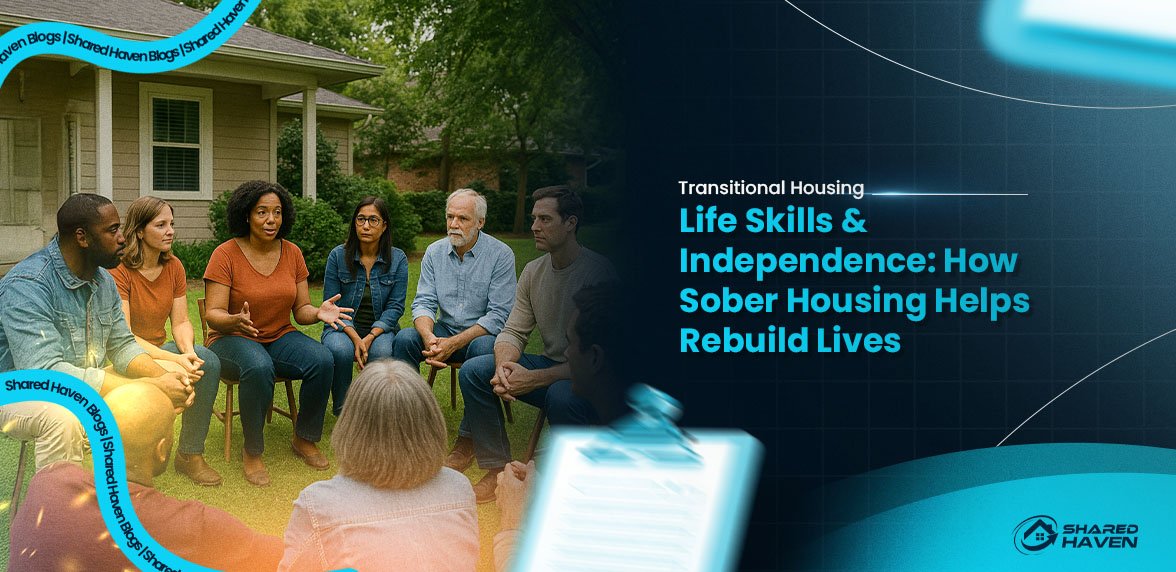
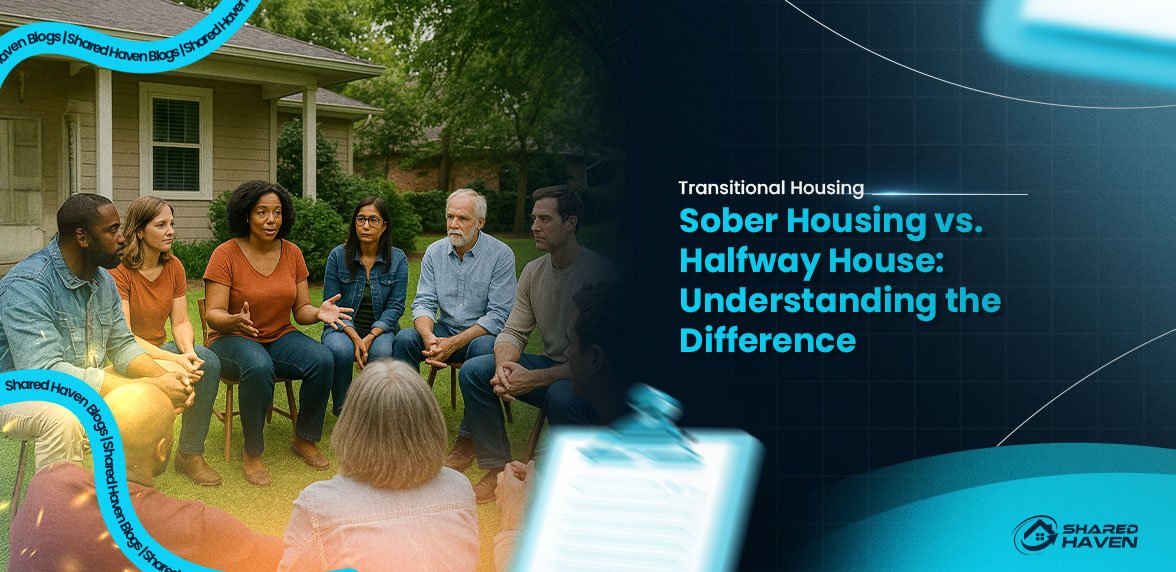
During the day, many residents work or attend school. In the evening, house meetings often encourage open discussion. Meanwhile, shared responsibilities such as cooking and cleaning promote teamwork. As a result, daily life feels organized and purposeful rather than chaotic.
Building Community Through Sober living
One of the strongest benefits of Sober living involves community support. Instead of isolating yourself, you interact with peers who understand recovery. Because shared experiences create empathy, meaningful bonds often form quickly.
Additionally, housemates hold one another accountable. For example, they encourage meeting attendance and healthy routines. Therefore, motivation remains strong even on difficult days. Over time, friendships built in Sober living can become lifelong support systems.
Responsibility and Independence in Sober living
Although Sober living offers guidance, it also demands responsibility. Unlike inpatient rehab, you manage your own schedule. Therefore, you must wake up on time, maintain employment, and follow house rules. Because independence grows gradually, discipline becomes a daily practice.
Furthermore, most homes require rent payments. As a result, residents learn budgeting and financial planning. Meanwhile, managing transportation and appointments strengthens time management skills. Consequently, daily responsibilities prepare you for full independence later.
Employment Expectations During Sober living
In most cases, Sober living programs encourage or require employment. Because work builds confidence, steady income supports long-term stability. Therefore, residents often begin job searches shortly after moving in.
Some homes even provide resume assistance or interview coaching. As a result, residents gain practical career tools alongside recovery skills. Moreover, structured work schedules reduce idle time, which often triggers relapse. Consequently, employment becomes both a financial and emotional stabilizer.
Challenges You May Face in Sober living
Although Sober living provides support, challenges still appear. For instance, sharing space with others may test patience. However, learning to resolve conflict builds maturity. Because communication improves through practice, disagreements often strengthen growth rather than weaken it.
Additionally, external triggers may still exist outside the home. Therefore, maintaining meeting attendance and open dialogue becomes essential. When difficulties arise, staff and peers offer guidance. As a result, you develop resilience rather than avoidance habits.
Growth and Accountability in Sober living
Accountability plays a central role in Sober living success. Because recovery depends on honesty, houses often conduct random drug testing. Although this may feel strict, it protects everyone in the home. Therefore, rules reinforce commitment rather than punishment.
Moreover, regular house meetings encourage open reflection. Residents discuss goals, setbacks, and progress. As a result, transparency becomes normal rather than uncomfortable. Over time, this level of accountability strengthens self-awareness and responsibility.
The Importance of Organization in Sober living Homes
Behind every stable Sober living environment stands strong organization. House managers coordinate schedules, payments, and compliance requirements. Because multiple residents share one space, careful management prevents confusion. Therefore, systems play a critical role in daily operations.
In many ways, this structure resembles the work of a transaction coordinator in real estate. Just as a transaction coordinator tracks documents and deadlines, house leadership tracks rules and responsibilities. Consequently, organization prevents small issues from becoming major setbacks.
How a Coordinator Mindset Supports Sober living Success
A successful Sober living home does not operate randomly. Instead, it follows systems that support each resident. Because recovery includes appointments, meetings, and financial obligations, coordination matters greatly. Therefore, leadership often acts like a guiding framework behind the scenes.
Similarly, a transaction coordinator ensures that each part of a property deal progresses smoothly. In the same way, Sober living management ensures that each resident stays aligned with recovery goals. As a result, structure replaces uncertainty and confusion.
Transitioning Out of Sober living
Eventually, residents prepare to leave Sober living and move forward independently. Because this transition represents growth, it often brings excitement. However, leaving structure can also feel intimidating. Therefore, gradual planning becomes essential.
Before departure, many residents secure stable housing and employment. Meanwhile, they maintain strong support networks. As a result, the transition feels intentional rather than rushed. With preparation, independence becomes sustainable rather than fragile.
Long-Term Benefits of Sober living
Over time, Sober living reshapes habits and mindset. First, residents develop consistent routines. Next, they strengthen coping mechanisms. Because repetition builds discipline, positive habits become automatic.
Additionally, community support reduces relapse risk. Therefore, long-term recovery becomes more realistic. Meanwhile, employment and financial responsibility increase confidence. As a result, individuals leave Sober living better prepared for independent life.
Final Thoughts on Entering Sober living
Moving into Sober living marks a courageous decision. Although uncertainty may exist at first, structure quickly creates stability. Because accountability and community drive recovery, environment plays a powerful role.
Moreover, strong coordination within the home ensures smooth daily operations. Just as a transaction coordinator keeps complex processes organized, house leadership maintains order and clarity. Consequently, residents can focus on personal growth instead of confusion.
Ultimately, Sober living offers more than housing. Instead, it provides a structured bridge between treatment and independence. When approached with commitment and openness, it becomes a foundation for lasting recovery and renewed purpose.
National Hotline for substance abuse