Top 8 Challenges in Transitional Housing: A Complete Guide to Success
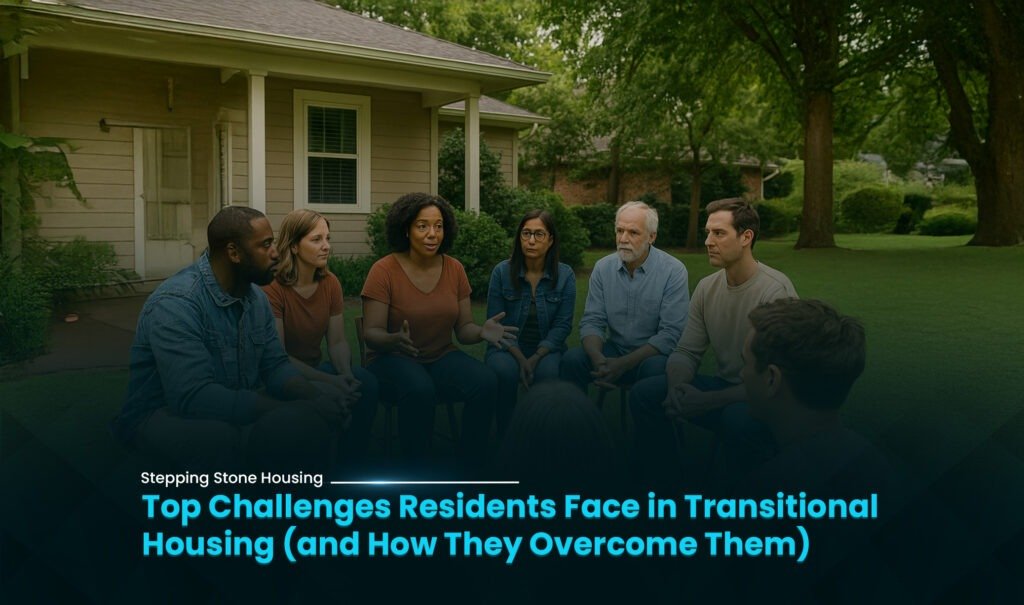
Furthermore, entering transitional housing offers individuals a clear pathway to long-term stability. Additionally, these programs provide residents with structured environments and crucial support services. However, residents frequently face significant hurdles that can feel overwhelming at first. Moreover, understanding these common difficulties helps prepare individuals for their journey ahead. Meanwhile, knowing how residents successfully overcome these challenges proves even more valuable. Therefore, this comprehensive guide explores the top challenges residents encounter in transitional housing programs. Additionally, we’ll highlight proven strategies that lead to lasting success.
Understanding Transitional Housing Programs
Subsequently, transitional housing serves as a temporary living solution that bridges critical gaps. Specifically, these programs help individuals transition from homelessness or crisis situations toward permanent housing. Furthermore, transitional housing typically offers comprehensive services including case management and life skills training. As a result, these programs empower residents to rebuild their lives systematically. Importantly, transitional housing functions as a stepping stone rather than a final destination.
Challenge 1: Adjusting to Structure and Rules in Transitional Housing
Initially, many residents arrive from chaotic environments where they lived on the streets. Alternatively, they may escape difficult home situations without warning. Suddenly, residents must adapt to strictly structured routines within transitional housing programs. Moreover, these programs maintain strict rules including curfews and mandatory chore lists. Additionally, residents must participate in required activities and group sessions. Consequently, this dramatic shift often creates initial shock for new residents. Furthermore, freedom of movement becomes limited while personal space reduces significantly.
Overcoming This Challenge
Eventually, residents overcome adjustment difficulties by embracing the routine and recognizing its purpose. Additionally, the structured environment provides much-needed stability and fosters personal responsibility. Furthermore, learning to follow rules prepares residents for future independent living. Meanwhile, residents find comfort in predictability and consistent daily schedules. Therefore, this supportive environment promotes healing and helps residents regain control.
Challenge 2: Addressing Underlying Issues in Transitional Housing
Often, homelessness stems from complex underlying problems including mental health conditions. Similarly, substance abuse represents another common contributing factor to housing instability. Additionally, trauma frequently plays a significant role in homelessness situations. Therefore, entering transitional housing means residents must confront these deep-rooted issues honestly. Furthermore, this confrontation requires tremendous commitment and emotional strength. Consequently, addressing underlying issues becomes a long and difficult process.
Overcoming This Challenge
Fortunately, transitional housing programs offer robust support systems for residents. Specifically, residents engage in regular counseling sessions and attend therapy appointments. Additionally, they participate in supportive group sessions with other residents. As a result, these services provide residents with essential tools for healing. Furthermore, residents learn effective coping mechanisms while addressing root causes. Meanwhile, building trust with staff members becomes crucial for open communication. Therefore, this trust ensures residents receive effective treatment plans.
Challenge 3: Financial Instability and Employment
Currently, many residents lack stable employment and have limited work histories. Additionally, residents often face significant barriers to finding jobs. Furthermore, these barriers include criminal records and lack of job skills. Subsequently, securing steady income becomes a major goal but presents challenges. Moreover, managing money effectively represents a new skill for many residents.
Overcoming This Challenge
Consequently, transitional housing programs offer comprehensive employment assistance to all residents. Specifically, programs provide job readiness workshops and resume writing classes. Additionally, residents practice interview skills and learn workplace etiquette. Meanwhile, case managers connect residents directly to available job opportunities. Furthermore, programs help residents develop financial literacy through budgeting workshops. Therefore, securing even part-time work builds confidence and creates financial foundations.
Challenge 4: Rebuilding Relationships and Social Connections in Transitional Housing
Previously, homelessness often leads to social isolation and strained relationships. Additionally, family connections may become completely lost over time. Subsequently, entering transitional housing brings new social dynamics with strangers. Furthermore, living with unfamiliar people creates difficulties for many residents. Meanwhile, building trust with others becomes challenging after traumatic experiences. Therefore, some residents struggle with loneliness and feel disconnected.
Overcoming This Challenge
Fortunately, programs actively foster strong community connections among residents. Specifically, group activities are encouraged and supported by staff members. Additionally, residents support each other through shared experiences and understanding. Furthermore, this mutual support builds lasting camaraderie between residents. Meanwhile, counseling helps residents heal from past relationship wounds. Therefore, programs encourage healthy family reunification when appropriate and safe.
Challenge 5: Finding Permanent Housing After Transitional Housing
Ultimately, transitional housing programs aim to secure permanent housing for residents. However, finding affordable housing options remains extremely challenging in today’s market. Additionally, housing markets have become increasingly competitive with rising prices. Furthermore, landlord requirements often create strict barriers for residents. Consequently, this situation creates anxiety and fear about future stability.
Overcoming This Challenge
Therefore, transitional housing programs provide dedicated housing navigation services. Specifically, case managers help residents actively search for suitable housing options. Additionally, staff assist with rental applications and paperwork completion. Meanwhile, programs connect residents to rental assistance programs and subsidies. Furthermore, residents learn advocacy skills and housing market navigation techniques. Consequently, this dedicated support significantly increases residents’ chances of success.
Challenge 6: Maintaining Motivation and Avoiding Relapse
Clearly, the journey from homelessness to stability requires consistent long-term effort. Additionally, residents often experience setbacks and feel discouraged during the process. Furthermore, the risk of relapse remains present, especially for those in recovery. Therefore, maintaining motivation throughout the entire program becomes absolutely crucial.
Overcoming This Challenge
Subsequently, programs emphasize goal setting and celebrate small victories along the way. Additionally, case managers offer continuous encouragement and support to residents. Furthermore, support groups provide accountability and peer motivation. Meanwhile, residents learn to identify personal triggers and warning signs. Therefore, they develop healthy coping strategies and strong relapse prevention plans.
Challenge 7: Stigma and Self-Perception
Unfortunately, society often attaches negative stigma to homelessness and housing instability. Additionally, residents may internalize these negative perceptions about themselves. Furthermore, residents often struggle with shame and low self-esteem. Consequently, these internal barriers can significantly hinder progress toward stability. Therefore, overcoming negative self-perception becomes essential for true healing.
Overcoming This Challenge
Fortunately, transitional housing fosters supportive environments that promote dignity. Additionally, staff members treat all residents with respect and compassion. Furthermore, counseling helps residents reframe their self-perception more positively. Meanwhile, residents learn to value their resilience and recognize their worth. Therefore, participation in community activities builds confidence and self-esteem.
Challenge 8: Navigating Complex Bureaucratic Systems
Often, accessing necessary resources involves complex bureaucratic processes. Additionally, this includes government benefits and healthcare services applications. Furthermore, application processes can be lengthy and confusing for residents. Consequently, residents face significant administrative burdens that cause frustration. Therefore, these delays can slow progress toward self-sufficiency.
Overcoming This Challenge
Fortunately, case managers act as dedicated advocates for residents. Specifically, they guide residents through complicated paperwork and applications. Additionally, staff help connect residents with various agencies and services. Furthermore, case managers explain complex processes in simple terms. Therefore, this direct assistance reduces administrative burden and ensures access.
The Role of Comprehensive Support
Ultimately, overcoming these challenges requires comprehensive support from transitional housing programs. Additionally, programs offer holistic approaches that address multiple needs simultaneously. Specifically, they provide safe shelter, counseling, and job training. Furthermore, programs deliver financial literacy education and permanent housing connections. Therefore, this multi-faceted support system proves crucial for resident success.
Conclusion: Building Hope Through Transitional Housing
Finally, life in transitional housing presents significant challenges for all residents. However, residents consistently demonstrate incredible resilience and determination. Additionally, they work hard to overcome hurdles and engage with available services. Furthermore, residents embrace personal growth opportunities and build new lives. Therefore, structured environments combined with compassionate support make profound differences. Ultimately, these programs serve as catalysts for change and beacons of hope.
National Hotline for Homelessness