
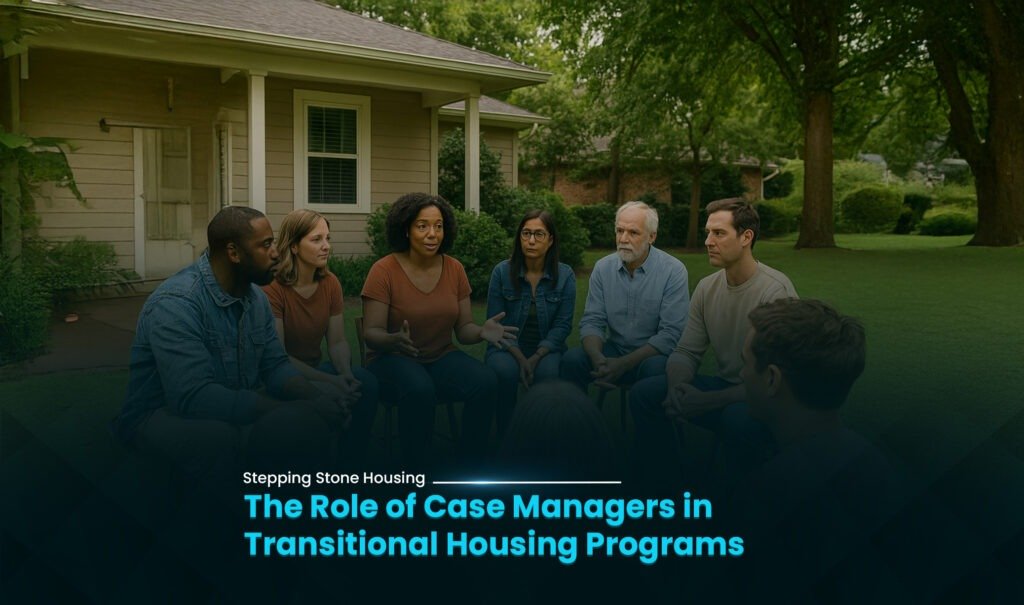
The Essential Role of Case Managers in Transitional Housing Programs
When facing homelessness, individuals often feel completely lost and without direction. However, transitional housing programs offer a structured path to stability. Furthermore, at the heart of these programs lies a critical figure: the case manager. Importantly, this professional plays a multifaceted role in guiding residents through their journey. Additionally, they connect residents to vital resources and empower them to achieve independence. Therefore, this blog explores the essential role of case managers in transitional housing programs. As a result, you will understand their significant impact on residents’ lives.
Understanding Transitional Housing
First and foremost, transitional housing provides a temporary, supportive environment for vulnerable individuals. Essentially, it bridges the gap between homelessness or crisis and stable, permanent housing. Unlike basic shelters, these programs integrate comprehensive support services throughout the process. Notably, the case manager serves as the central figure in this integration. Furthermore, they personalize each resident’s experience to ensure effective progress toward self-sufficiency.
The Foundation: Assessment and Goal Setting in Transitional Housing
Initially, a case manager’s role begins immediately upon a resident’s entry. Subsequently, they conduct a thorough assessment that involves understanding the resident’s background and needs. Specifically, this process covers their unique strengths while also identifying their specific challenges. Importantly, this initial assessment proves crucial because it forms the basis for all future work.
Next, case managers collaborate directly with residents to help set realistic and achievable goals. For instance, these goals might include securing stable employment or completing their education. Similarly, they also cover addressing mental health issues that may be present. Notably, each goal is carefully tailored to reflect the individual’s aspirations and current capabilities. Consequently, this collaborative process empowers residents and gives them a sense of ownership.
Connecting Residents to Resources
Fundamentally, case managers act as vital connectors within the community support network. Moreover, they possess extensive knowledge about available resources and link residents to essential services. Indeed, this network of support is both broad and comprehensive.
Housing Navigation and Placement
Ultimately, the ultimate goal remains permanent housing, and case managers work tirelessly toward this objective. Specifically, they help residents search for affordable housing and assist with rental applications. Additionally, they explain housing subsidies and connect residents to move-in assistance programs. Consequently, this seamless transition proves paramount for ensuring long-term stability.
Employment and Education Support in Transitional Housing
Undoubtedly, securing a job represents a major step toward independence. Therefore, case managers guide residents in this area by connecting them to job readiness workshops. Simultaneously, they help with resume building and practice interview skills with residents. Furthermore, they facilitate connections with potential employers in the community. Likewise, they also support educational pursuits, including GED preparation and college applications. Ultimately, these efforts boost earning potential and foster financial independence.
Mental Health and Substance Abuse Referrals
Unfortunately, many residents face mental health challenges, and substance abuse issues are also common. Consequently, case managers provide crucial referrals by connecting residents to qualified therapists. Additionally, they find appropriate support groups and arrange addiction treatment services when needed. Significantly, this holistic approach supports healing and promotes lasting sobriety.
Healthcare Access in Transitional Housing
Clearly, physical health remains vital for stability, so case managers ensure residents access healthcare. Specifically, they connect residents to medical providers and help arrange dental appointments. Similarly, they also assist with vision care and ensure necessary medications are secured. Overall, this comprehensive care promotes overall well-being and supports recovery.
Skill Building and Life Coaching
Importantly, case managers are not just referral agents but also serve as educators. Instead, they provide direct coaching and help residents develop crucial life skills.
Financial Literacy and Budgeting in Transitional Housing
Unfortunately, many residents lack financial management skills, so case managers teach budgeting techniques. For example, they explain credit scores and help residents open bank accounts. Additionally, they assist with debt management and financial planning. Ultimately, these skills are essential for independent living and prevent future financial crises.
Household Management
Similarly, practical skills are also covered through comprehensive training programs. For instance, case managers offer guidance on healthy cooking and advise on cleaning routines. Moreover, they also discuss household maintenance and basic repair skills. Consequently, these abilities prepare residents for managing their own homes and foster self-sufficiency.
Communication and Conflict Resolution
Evidently, interpersonal skills prove vital for long-term success. Therefore, case managers help residents improve communication skills and teach conflict resolution techniques. Additionally, they also promote healthy boundaries in relationships. As a result, these skills strengthen relationships and build effective problem-solving abilities.
Advocacy and Support in Transitional Housing
Significantly, case managers serve as strong advocates who champion their residents’ needs. Moreover, they navigate complex systems and ensure fair treatment throughout the process.
Navigating Bureaucracy
Often, dealing with government agencies can be daunting for many residents. Consequently, case managers help residents with paperwork and explain complex regulations. Furthermore, they also attend appointments with residents to provide support. Ultimately, this assistance reduces stress and ensures access to benefits.
Upholding Rights
Importantly, case managers inform residents of their rights and help address grievances. Additionally, they ensure residents are treated with dignity and advocate for fair processes. Consequently, this protection empowers residents and builds trust in the system.
Monitoring Progress and Adjusting Plans
Continuously, the case manager’s role is ongoing, and they continuously monitor resident progress. Specifically, they track goal achievement and adjust service plans as needed.
Regular Check-ins in Transitional Housing
Regularly, they conduct frequent meetings to discuss achievements and address challenges. Furthermore, they also offer encouragement and celebrate milestones with residents. Importantly, these regular interactions are essential and provide continuous support throughout the program.
Adapting to Changing Needs
Inevitably, life can present new obstacles, but case managers remain flexible in their approach. Accordingly, they adapt plans to changing circumstances and find new resources when needed. Consequently, this responsive approach ensures continued progress and helps residents overcome new hurdles.
Preparing for Exit and Aftercare
Ultimately, the ultimate goal is successful independence, and case managers prepare residents for this transition.
Developing an Exit Plan in Transitional Housing
Collaboratively, they work with residents to create a comprehensive exit plan for long-term success. Specifically, this includes securing permanent housing and detailing financial stability plans. Moreover, it also outlines ongoing support networks that will continue after program completion. Therefore, this plan ensures a smooth transition to independent living.
Post-Program Support
Fortunately, some transitional housing programs offer aftercare services to maintain stability. Accordingly, case managers provide referrals to community resources and connect residents to ongoing support groups. Consequently, this continued connection helps prevent relapse and promotes long-term stability.
Qualities of an Effective Case Manager
Notably, effective case managers possess specific qualities that make them successful in their roles. Specifically, they are empathetic listeners who are highly organized and knowledgeable about resources. Additionally, they are patient and persistent while serving as strong advocates. Above all, they are deeply committed to helping others achieve their goals. Truly, their dedication is truly inspiring and transforms lives.
Conclusion: The Impact of Case Managers in Transitional Housing
Admittedly, the journey from homelessness to stability is challenging, but case managers make it achievable. Undoubtedly, their role in transitional housing programs is indispensable for resident success. Specifically, they provide comprehensive assessments and connect residents to vital resources. Moreover, they teach essential life skills and advocate tirelessly for their residents. Additionally, they monitor progress and prepare residents for lasting independence. Truly, they are beacons of hope and guidance who empower individuals to rebuild their lives. Ultimately, they truly transform despair into dignity and lasting stability for all residents.
National Hotline for Homelessness