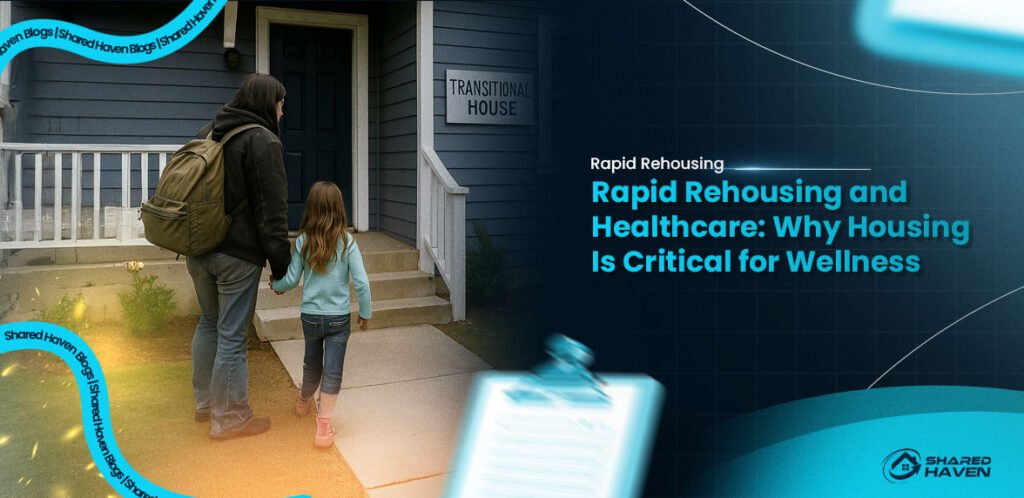
First, stable housing plays a vital role in physical and mental wellness. Therefore, communities increasingly connect housing programs with healthcare support. When people lack housing, their health often declines rapidly. Consequently, governments and nonprofits search for faster housing solutions.
Meanwhile, Rapid Rehousing has emerged as a powerful strategy for helping vulnerable individuals. Because it focuses on speed, families move quickly from homelessness to stable housing. As a result, people regain safety, stability, and better health outcomes.
Additionally, Rapid Rehousing reduces stress caused by uncertain living conditions. When families secure housing quickly, they regain control over daily routines. Consequently, health services become easier to access and maintain.
Therefore, Rapid Rehousing continues to grow as a critical program in modern social support systems.
Rapid Rehousing and the Link Between Housing and Healthcare
First, healthcare professionals understand the strong connection between housing and wellness. When people lack shelter, they struggle to maintain basic hygiene and nutrition. Consequently, illnesses become more common among homeless populations.
Meanwhile, Rapid Rehousing helps break this cycle quickly. Because the program moves people into housing faster, stability returns sooner. As a result, individuals can focus on recovery instead of survival.
Additionally, stable housing allows individuals to schedule and attend medical appointments regularly. Therefore, doctors can monitor chronic conditions more effectively. Consequently, overall healthcare outcomes improve through Rapid Rehousing initiatives.
Moreover, children benefit greatly from stable living environments. When families secure housing, children experience fewer disruptions in school and healthcare access. Therefore, Rapid Rehousing supports healthier communities across generations.
How Rapid Rehousing Supports Mental Health Recovery
Mental health often suffers when individuals face housing insecurity. Therefore, rapid solutions become necessary to restore emotional stability. When people worry about shelter daily, anxiety levels increase significantly.
However, Rapid Rehousing creates a path toward calm and security. Because individuals receive housing quickly, stress levels decrease immediately. Consequently, mental health recovery becomes more achievable.
Additionally, stable housing allows individuals to build supportive routines. For example, people can cook meals, sleep consistently, and reconnect with family members. As a result, emotional health improves naturally over time.
Meanwhile, healthcare providers find it easier to deliver consistent treatment once housing stabilizes. Therefore, Rapid Rehousing strengthens both medical and psychological recovery processes.
Why Rapid Rehousing Works Faster Than Traditional Housing Programs
Traditional housing programs often require long waiting periods. Therefore, families remain in shelters for extended months or even years. Unfortunately, prolonged homelessness increases health risks and emotional strain.
However, Rapid Rehousing focuses on immediate placement into rental housing. Because the program prioritizes speed, families move out of shelters quickly. Consequently, individuals regain independence sooner.
Additionally, the program offers temporary financial assistance for rent and utilities. Therefore, participants can stabilize their finances while rebuilding their lives. Meanwhile, case managers guide participants toward long-term housing stability.
As a result, Rapid Rehousing helps communities reduce homelessness faster than traditional programs.
Rapid Rehousing as a Preventive Healthcare Strategy
Healthcare experts increasingly recognize housing as preventive medicine. When people have safe homes, they experience fewer emergency health crises. Therefore, Rapid Rehousing indirectly reduces healthcare costs.
For example, homeless individuals often rely on emergency rooms for basic medical needs. However, stable housing allows them to access routine care instead. Consequently, hospitals experience reduced pressure on emergency services.
Additionally, individuals with chronic illnesses benefit greatly from stable environments. Because medications require consistent schedules, housing stability supports proper treatment. Therefore, Rapid Rehousing improves long-term health outcomes.
Moreover, healthcare systems save resources when fewer people require crisis care. As a result, governments increasingly support Rapid Rehousing as part of public health strategy.
The Coordination Behind Rapid Rehousing Programs
Successful housing programs require strong organization and communication. Therefore, many professionals collaborate to support each household. Because housing placement involves paperwork and deadlines, coordination becomes essential.
Meanwhile, case managers, housing agencies, and landlords must stay connected throughout the process. Consequently, documentation must remain accurate and organized. Additionally, deadlines for leases and financial assistance require careful tracking.
This process resembles real estate transaction management. Therefore, the role of a transaction coordinator becomes surprisingly relevant. Because housing programs involve multiple stakeholders, coordination prevents costly delays.
As a result, efficient systems ensure that Rapid Rehousing programs operate smoothly and effectively.
Rapid Rehousing and the Role of a Transaction Coordinator
Behind every successful housing placement stands careful administrative work. Therefore, transaction coordination skills become extremely valuable in housing programs. Because documentation must remain accurate, attention to detail becomes essential.
Meanwhile, a transaction coordinator manages timelines, paperwork, and communication between parties. Consequently, housing placements move forward without confusion or missed deadlines. Additionally, coordinators verify documents and ensure compliance with program guidelines.
For example, they confirm lease agreements, rental assistance approvals, and housing inspections. As a result, Rapid Rehousing participants move into homes faster.
Therefore, transaction coordinators support both efficiency and accountability within housing systems.
Rapid Rehousing Helps Families Rebuild Stability
Families facing homelessness often experience overwhelming stress. Therefore, immediate housing support becomes critical for recovery. Because Rapid Rehousing prioritizes speed, families regain stability quickly.
Meanwhile, parents can focus on employment opportunities once housing stabilizes. Consequently, financial independence becomes achievable over time. Additionally, children benefit from consistent school attendance and safer environments.
Stable housing also improves family relationships. Because stress levels decrease, communication and emotional support improve. As a result, Rapid Rehousing strengthens family foundations.
Therefore, housing programs do more than provide shelter. Instead, they rebuild lives and restore dignity.
Rapid Rehousing and Community Health Improvement
Communities benefit greatly when homelessness decreases. Therefore, many cities invest in Rapid Rehousing programs. Because housing stability reduces healthcare emergencies, public systems operate more efficiently.
Meanwhile, stable housing encourages individuals to participate in community life. Consequently, neighborhoods become stronger and more connected. Additionally, local economies benefit when residents secure jobs and maintain stable living situations.
Furthermore, schools see improved attendance and academic performance among previously homeless children. As a result, Rapid Rehousing contributes to long-term community development.
Therefore, housing initiatives become essential tools for building healthier cities.
How Transaction Coordinators Strengthen Housing Programs
Housing programs often involve complex processes and documentation. Therefore, administrative professionals play a critical role behind the scenes. Because deadlines and approvals must align perfectly, organization becomes essential.
Meanwhile, transaction coordinators ensure that every step progresses smoothly. Consequently, landlords, agencies, and families stay informed throughout the process. Additionally, coordinators track documents and verify compliance with housing guidelines.
This structured approach prevents delays that could leave families waiting longer for homes. Therefore, coordination directly impacts the success of Rapid Rehousing programs.
As a result, transaction coordinators become valuable contributors to housing stability efforts.
The Future of Rapid Rehousing in Public Health
Housing programs continue to evolve as communities recognize their healthcare impact. Therefore, Rapid Rehousing will likely expand in the coming years. Because housing stability supports physical and mental wellness, policymakers increasingly support this strategy.
Meanwhile, collaboration between housing agencies and healthcare providers will continue growing. Consequently, integrated programs will deliver faster and more effective services. Additionally, technology and data systems will improve coordination across organizations.
Transaction coordinators will play an even greater role in managing these complex systems. Therefore, administrative efficiency will remain central to program success.
As a result, Rapid Rehousing will continue shaping the future of social support programs.
Conclusion: Housing as the Foundation of Wellness
Ultimately, stable housing serves as the foundation for health and recovery. Therefore, programs that prioritize housing speed create powerful social impact. Because Rapid Rehousing moves families into homes quickly, individuals regain stability faster.
Meanwhile, healthcare providers can deliver consistent treatment once housing stabilizes. Consequently, both physical and mental wellness improve dramatically. Additionally, communities benefit from reduced homelessness and stronger economic participation.
However, successful programs depend on careful coordination and professional support. Therefore, transaction coordinators play a vital role in housing placement processes. Because they manage documentation and timelines, families reach homes faster.
In the end, Rapid Rehousing demonstrates that housing is more than shelter. Instead, it represents the foundation for health, dignity, and long-term opportunity.
National Hot Line for Homelessness