Understanding Rapid Rehousing After Disaster
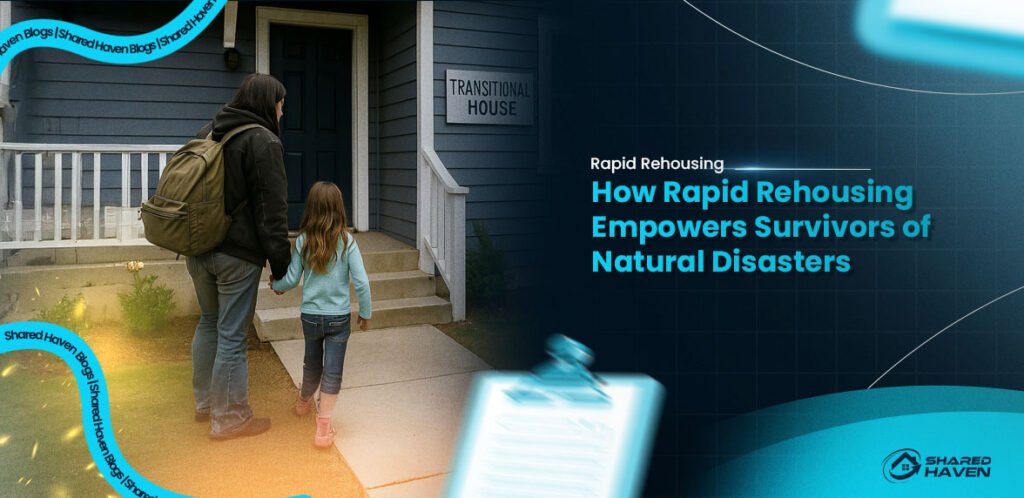
When natural disasters strike, families lose more than buildings. Instead, they lose stability, safety, and daily routine. Therefore, housing recovery becomes the first urgent need. Rapid Rehousing addresses that need with speed and focus. Unlike long shelter stays, Rapid Rehousing moves families into real homes quickly. Because stability supports healing, quick placement reduces trauma. Meanwhile, children return to school sooner. Consequently, parents regain focus on work and rebuilding. Through Rapid Rehousing, communities restore dignity after chaos. Ultimately, fast housing solutions create a foundation for recovery.
Why Rapid Rehousing Matters in Crisis Recovery
After hurricanes, floods, or wildfires, shelters fill quickly. However, shelters cannot provide long term comfort. Therefore, Rapid Rehousing offers short term rental support instead. Because families need privacy and security, independent housing changes everything. Meanwhile, relief agencies coordinate landlord partnerships carefully. Consequently, survivors avoid extended displacement. In many cases, Rapid Rehousing reduces homelessness after disasters. Additionally, it lowers strain on emergency resources. As a result, communities recover faster together. Ultimately, stable housing strengthens emotional resilience.
How Rapid Rehousing Supports Emotional Stability
Disasters create fear, grief, and confusion quickly. Therefore, safe housing restores a sense of control. Rapid Rehousing gives survivors private space to process trauma. Because privacy reduces stress, families rebuild routines faster. Meanwhile, children regain familiar habits like homework and bedtime. Consequently, emotional healing becomes possible in stable settings. Through Rapid Rehousing, families avoid long shelter uncertainty. Additionally, supportive case managers guide each household. As structure returns, hope begins to grow again. Ultimately, stability fuels recovery from deep loss.
The Financial Structure Behind Rapid Rehousing
Rapid Rehousing programs usually offer temporary rental assistance. Therefore, families receive help with deposits and monthly payments. Because disasters disrupt income, financial support prevents eviction. Meanwhile, agencies create clear timelines for assistance. Consequently, participants understand expectations from the start. In Rapid Rehousing, case managers develop housing plans with families. Additionally, budgeting guidance prepares survivors for independence. As income stabilizes, assistance gradually decreases. Ultimately, structured financial aid promotes long term self reliance.
Rapid Rehousing and Community Partnerships
Successful Rapid Rehousing depends on strong local partnerships. Therefore, agencies collaborate with landlords and property managers. Because trust drives cooperation, communication remains transparent. Meanwhile, housing specialists inspect units for safety standards. Consequently, families move into clean and secure homes. Through Rapid Rehousing partnerships, vacancy rates decline in some areas. Additionally, landlords receive reliable support from agencies. As relationships strengthen, placement becomes faster each year. Ultimately, collaboration expands housing opportunities during emergencies.
Rapid Rehousing Compared to Traditional Shelter Models
Traditional shelters provide immediate safety but limited privacy. However, Rapid Rehousing focuses on quick independent housing. Because families thrive in stable environments, private homes improve outcomes. Meanwhile, shelter stays often create stress and overcrowding. Consequently, Rapid Rehousing reduces long term dependency. In many disaster responses, this model shortens recovery timelines. Additionally, families regain dignity through independent living. As stability increases, employment efforts improve naturally. Ultimately, independence supports lasting recovery.
The Role of Case Management in Rapid Rehousing
Case management plays a central role in Rapid Rehousing success. Therefore, trained professionals assess each family’s needs. Because every disaster affects households differently, personalized plans matter. Meanwhile, case managers connect survivors with community resources. Consequently, families access counseling, employment support, and childcare. Through Rapid Rehousing guidance, participants track clear recovery goals. Additionally, regular check-ins prevent setbacks. As accountability grows, progress becomes measurable. Ultimately, structured support empowers sustainable independence.
Connecting Rapid Rehousing to Transaction Coordination
Interestingly, Rapid Rehousing requires strong coordination skills. Therefore, agencies manage leases, inspections, and funding carefully. Because paperwork errors can delay placements, organization becomes critical. Meanwhile, transaction coordinators in Real Estate handle similar responsibilities. Consequently, both roles depend on deadline tracking and compliance. In Rapid Rehousing, accurate documentation protects funding eligibility. Additionally, communication between landlords and agencies mirrors closing coordination. As processes streamline, families move in faster. Ultimately, structured coordination ensures smooth housing transitions.
Rapid Rehousing and Speed in Emergency Response
Speed defines the success of Rapid Rehousing programs. Therefore, agencies prepare housing lists before disasters occur. Because preparation saves time, rapid placement becomes possible. Meanwhile, technology tracks available units instantly. Consequently, families avoid extended shelter stays. Through Rapid Rehousing readiness plans, communities respond confidently. Additionally, pre-approved landlords reduce screening delays. As systems improve, disaster response becomes more efficient. Ultimately, preparation transforms crisis into coordinated action.
Overcoming Challenges in Rapid Rehousing Programs
Despite success, Rapid Rehousing faces housing shortages in some regions. Therefore, agencies advocate for more affordable units. Because rising rents strain budgets, funding must adjust. Meanwhile, disaster frequency increases housing demand. Consequently, policy reform becomes necessary for sustainability. Through Rapid Rehousing advocacy, organizations push for stronger support. Additionally, community education encourages landlord participation. As awareness grows, housing options expand gradually. Ultimately, collaboration solves long term challenges.
Measuring Success in Rapid Rehousing Outcomes
Programs measure Rapid Rehousing success through housing stability rates. Therefore, agencies track retention after assistance ends. Because long term housing matters most, follow-up support remains important. Meanwhile, data reveals trends in employment recovery. Consequently, improvements guide program adjustments. In Rapid Rehousing evaluations, family satisfaction also matters. Additionally, reduced shelter costs show financial benefits. As evidence grows, policymakers support expansion. Ultimately, results confirm the model’s effectiveness.
Rapid Rehousing as a Path to Resilience
Over time, Rapid Rehousing builds stronger communities. Therefore, survivors regain independence faster than expected. Because stability supports growth, families rebuild savings gradually. Meanwhile, children adapt better in consistent environments. Consequently, disaster trauma decreases over months. Through Rapid Rehousing, hope replaces uncertainty steadily. Additionally, employment stability strengthens community economies. As recovery spreads, neighborhoods regain vitality. Ultimately, housing security anchors long term resilience.
The Future of Rapid Rehousing in Disaster Policy
Looking ahead, Rapid Rehousing will shape emergency housing policy. Therefore, leaders invest in preparedness planning. Because climate events increase globally, proactive systems matter deeply. Meanwhile, agencies refine technology for faster placements. Consequently, response times shorten significantly. In Rapid Rehousing strategy, prevention includes rental support before eviction occurs. Additionally, training improves coordination among service providers. As innovation continues, housing recovery becomes more efficient. Ultimately, Rapid Rehousing stands as a powerful tool for disaster empowerment.
National Hot Line for Homelessness