
Sober Living Explained for People Starting Their Recovery Journey
Sober Living plays a critical role for people starting their recovery journey after treatment. Many individuals leave rehab feeling hopeful yet unprepared for daily pressures. Therefore, Sober Living offers structure, accountability, and stability during early recovery. Moreover, Sober Living environments reduce relapse risk by removing common triggers. Additionally, these homes often operate within residential properties […]
Are Halfway Houses Safe? What Families and Residents Should Know
Halfway houses often raise serious questions for families and residents. Safety stands at the top of these concerns. People want stability during a fragile recovery phase. Many fear exposure to unsafe behavior or poor supervision. These worries are understandable. Halfway Houses serve as a bridge between structured treatment and independent living. When managed well, they […]
Rapid Rehousing and Employment: How Housing Opens Doors to Jobs
Introduction to Housing Stability and Employment First, stable housing creates the foundation for steady employment. Moreover, people without housing struggle to maintain work schedules and focus. Additionally, Rapid Rehousing provides immediate housing solutions for people facing homelessness. Therefore, this approach removes a major barrier to employment. Meanwhile, employment increases long-term housing stability. Consequently, coordinated systems […]
How Sober Living Creates Structure, Accountability, and Long-Term Recovery
First, recovery does not end after treatment. Instead, many people need daily guidance. Because of this, Sober Living offers support during early recovery. In addition, Sober Living provides a safe and stable home. As a result, residents avoid risky environments. Moreover, structure helps people stay focused. For this reason, coordinators manage rules and schedules. Overall, […]
Sober Living as a Bridge Between Rehab and Independent Life
First, recovery does not end when someone leaves a treatment center. Moreover, many individuals struggle when moving directly into full independence. Additionally, Sober Living provides a structured transition after formal rehabilitation. Therefore, Sober Living helps individuals apply recovery skills in real environments. Furthermore, this model reduces relapse risk during early recovery stages. Understanding the Purpose […]
How Rapid Rehousing Helps Reduce Chronic Homelessness Rates
Creative finance continues to reshape how investors approach property acquisition. Many investors now seek strategies that reduce upfront cash pressure. Rapid Rehousing plays a growing role in these investment decisions. This approach supports housing stability while unlocking unique acquisition paths. Investors who understand Rapid Rehousing can scale portfolios with less risk. These strategies combine social […]
From Rehab to Real Life: Transitioning with Sober Housing
After rehab ends, real life begins quickly. Therefore, many people feel overwhelmed during early recovery. At the same time, daily responsibilities return without warning. Because of this, structure becomes essential for success. Sober Housing offers a safe and stable bridge. In addition, it provides rules, support, and accountability. As a result, people gain time to […]
Halfway Houses for Recovering Addicts: How They Work & Why They Matter
Halfway Houses play a vital role in recovery by bridging treatment and independent living. Many recovering addicts struggle after rehab due to limited structure. Therefore, Halfway Houses provide accountability, stability, and support during a fragile phase. Moreover, Halfway Houses operate within residential properties that require proper coordination. Consequently, a transaction coordinator becomes essential when establishing […]
The Economic Impact of Rapid Rehousing on Communities

Rapid Rehousing plays a vital role in strengthening local economies and stabilizing vulnerable populations. Communities often face rising costs from homelessness, including healthcare, law enforcement, and emergency services. However, Rapid Rehousing reduces those expenses by moving people into housing quickly. As families regain stability, they reenter the workforce and local economy. This transition creates measurable […]
Sober Housing: How Structure and Accountability Promote Stability
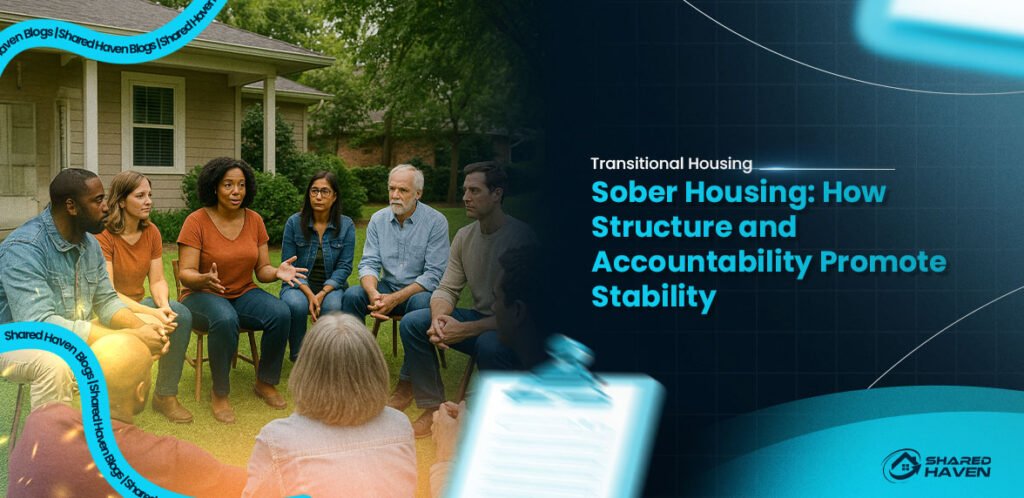
First, Sober Housing supports recovery by creating safe and structured living environments. Next, Sober Housing helps people adjust after leaving treatment programs. Moreover, structure reduces stress during early recovery stages. Additionally, accountability builds trust and responsibility among residents. Therefore, stability grows when rules remain clear and fair. Furthermore, transaction coordinators help keep housing operations organized […]