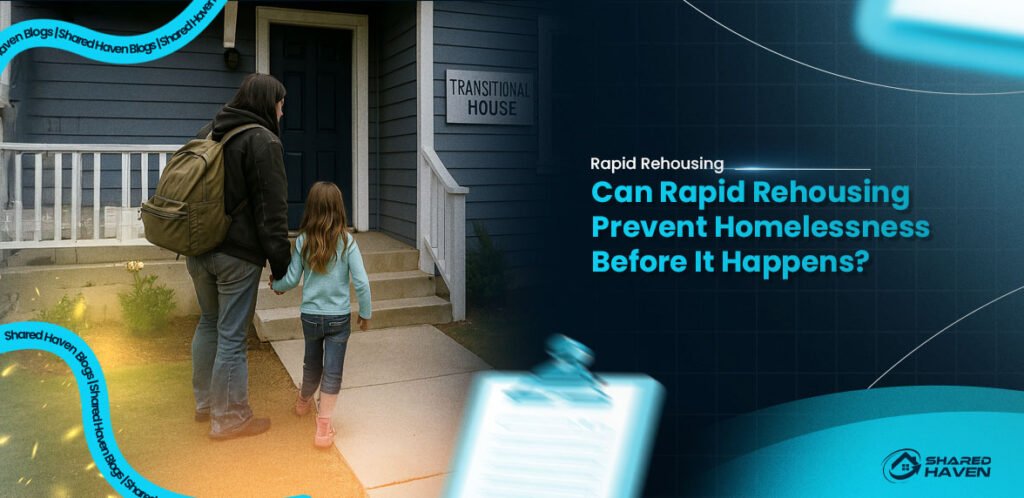
Homelessness rarely starts with life on the street. It often begins with missed rent and sudden hardship. Many families face eviction after job loss or medical costs. These crises move fast and feel overwhelming. Rapid Rehousing aims to stop homelessness before it becomes permanent. This approach focuses on speed, stability, and dignity. It helps people secure housing quickly and rebuild stability. However, success depends on strong coordination and clear processes. This is where a transaction coordinator plays a critical role.
Rapid Rehousing does not wait for people to hit rock bottom. Instead, it steps in early and offers practical support. Housing stability gives people space to recover. With the right systems, families avoid long-term displacement. Coordination ensures help arrives at the right moment.
Understanding the Core Goal of Rapid Rehousing
Rapid Rehousing focuses on short-term help with long-term impact. It helps individuals and families move into housing quickly. The goal is not long shelter stays. Instead, it prioritizes permanent housing as soon as possible. Rapid Rehousing includes rental assistance, case management, and housing search support. These elements work together to reduce disruption.
This approach treats housing as the foundation for recovery. Once housed, people can address work, health, and family needs. Clear coordination ensures services align smoothly. Transaction coordinators help manage timelines, documents, and communication. This support prevents delays that could lead to homelessness.
Why Early Intervention Matters Most
Homelessness becomes harder to reverse over time. The longer someone remains displaced, the greater the damage. Early intervention prevents trauma and instability. Rapid Rehousing targets people at immediate risk. This early action reduces shelter use and long-term costs.
Families facing eviction need fast solutions. Delays often result in loss of housing entirely. Rapid Rehousing responds quickly and removes barriers. Transaction coordinators help move cases forward without confusion. Their oversight keeps progress steady during urgent situations.
Rapid Rehousing and Housing Stability
Housing stability requires more than a lease. People need support to maintain housing over time. Rapid Rehousing provides temporary financial help and guidance. This support allows households to regain control.
Stability grows when systems work smoothly. Missed paperwork or miscommunication can derail progress. Transaction coordinators ensure documents remain accurate and complete. Their role supports both providers and participants. Strong coordination increases long-term success.
How Rapid Rehousing Differs From Traditional Shelter Models
Traditional shelters focus on temporary safety. They often require long stays and strict rules. Rapid Rehousing takes a different path. It moves people directly into housing. This approach respects dignity and independence.
Shelter stays can disrupt work and family routines. Rapid Rehousing avoids these disruptions. Quick placement reduces stress and uncertainty. Transaction coordinators help manage placements efficiently. Their involvement reduces errors and delays.
Rapid Rehousing and Cost Effectiveness
Rapid Rehousing costs less than long shelter stays. It also produces better outcomes. Stable housing reduces emergency service use. People regain independence faster.
Funding requires careful tracking and reporting. Programs must follow strict guidelines. Transaction coordinators manage compliance and documentation. Their work protects funding and program integrity. Efficient coordination supports sustainability.
The Role of Landlords in Rapid Rehousing
Landlords play a key role in program success. They provide housing opportunities quickly. Clear communication builds trust with property owners. Rapid Rehousing programs often offer guarantees or incentives.
Transaction coordinators help manage landlord agreements. They ensure lease terms align with program rules. This clarity reduces conflict and confusion. Strong coordination encourages landlord participation.
Rapid Rehousing and Family Preservation
Families face unique risks during housing crises. Children suffer when stability disappears. Rapid Rehousing helps keep families together. Stable housing supports school attendance and emotional health.
Fast placement reduces disruption. Coordinators help manage household documentation and timelines. Their support ensures families move smoothly into housing. Stability protects long-term well-being.
Challenges That Can Limit Rapid Rehousing Success
Rapid Rehousing faces challenges in tight housing markets. Limited inventory slows placement. Rising rents increase pressure on programs. Coordination becomes even more important during shortages.
Transaction coordinators help navigate these obstacles. They track availability and manage expectations. Their organization reduces wasted time. Strong coordination improves outcomes even in difficult markets.
Rapid Rehousing and Data Accuracy
Accurate data drives effective programs. Incomplete records create delays and funding risks. Rapid Rehousing requires detailed reporting. Every step must remain documented.
Transaction coordinators maintain accurate records. They track applications, leases, and payments. This oversight supports accountability and transparency. Reliable data strengthens program performance.
Why Timing Is Critical in Rapid Rehousing
Timing determines whether prevention succeeds. A small delay can lead to eviction. Rapid Rehousing emphasizes speed and action. Processes must move without friction.
Transaction coordinators manage timelines carefully. They ensure deadlines are met and tasks completed. Their role prevents small delays from becoming crises. Timely action protects housing stability.
Rapid Rehousing and Long-Term Independence
The goal extends beyond short-term help. Rapid Rehousing aims to restore independence. Financial assistance decreases over time. Case management builds skills and confidence.
Clear planning supports smooth transitions. Transaction coordinators help track progress and milestones. Their oversight ensures households move toward self-sufficiency. Structured support leads to lasting results.
The Importance of Coordination Across Agencies
Rapid Rehousing involves multiple partners. Agencies, landlords, and service providers must align. Miscommunication can slow progress. Coordination keeps everyone focused.
Transaction coordinators act as central connectors. They manage information flow and expectations. This role reduces duplication and conflict. Strong coordination improves efficiency and trust.
Rapid Rehousing and Prevention Strategies
Prevention works best before eviction occurs. Rapid Rehousing supports prevention through fast response. Rental assistance bridges short-term gaps. Housing remains intact.
Transaction coordinators help process assistance quickly. They manage approvals and documentation. Their efficiency ensures help arrives on time. Prevention depends on speed and clarity.
Measuring Success in Rapid Rehousing Programs
Success includes stable housing and reduced returns to homelessness. Programs track outcomes over time. Accurate measurement guides improvement.
Transaction coordinators support outcome tracking. They maintain clean records for evaluation. This data helps programs adapt and improve. Strong coordination supports accountability.
Why Transaction Coordinators Are Essential to Rapid Rehousing
Rapid Rehousing depends on smooth execution. Many moving parts require oversight. Transaction coordinators manage details others cannot track alone. Their role reduces risk and confusion.
They ensure documents remain complete and compliant. They track timelines and communication. Their support keeps programs running smoothly. Without coordination, prevention efforts weaken.
Conclusion: Can Rapid Rehousing Prevent Homelessness Before It Happens?
Rapid Rehousing can prevent homelessness when applied early. Speed, stability, and coordination define success. Housing provides the base for recovery and growth. Families regain control and dignity.
Transaction coordinators strengthen every stage of the process. They ensure clarity, accuracy, and timely action. With strong coordination, Rapid Rehousing becomes a powerful prevention tool. Early support creates lasting stability and hope.
National Hot Line for Homelessness